


Summer is one of the best times of year for RV adventures. Longer days, beautiful campgrounds, and endless opportunities to explore make it the perfect season to hit the road. Unfortunately, summer also brings one challenge every RVer eventually faces—heat.
Whether you're camping in the desert Southwest, spending time along the Gulf Coast, or simply dealing with an unexpected heatwave, RVs can become surprisingly hot in a very short amount of time. Large windows, direct sun exposure, limited insulation, and compact living spaces can all contribute to rising temperatures inside your rig.
While air conditioning certainly helps, many RV owners quickly discover that even a well-functioning AC unit can struggle to keep up during extreme summer weather. Add in boondocking situations where power is limited, and staying cool becomes even more important.
The good news is that there are plenty of ways to keep your RV comfortable, with or without relying solely on air conditioning. From simple campsite selection strategies to airflow improvements and cooling upgrades, these tips can help you stay comfortable while making the most of your summer travels.
Why RVs Get So Hot So Fast
Before we jump into the tips, it helps to understand why your RV can feel like an oven on a hot summer afternoon. Unlike a traditional home, RVs are built to be lightweight and mobile. While modern RVs have come a long way in insulation and comfort, they still have much thinner walls, less attic space, and significantly more windows than most houses. All of these factors allow heat to build up quickly.
Think of your RV like a parked vehicle on a sunny day. Even when the outside temperature is only 85°F, the interior can climb well into the 90s or even exceed 100°F if the sun is beating down on it. Dark-colored roofs, direct sunlight, limited shade, and poor airflow all contribute to the problem.
Large windows are one of the biggest culprits. While they provide beautiful campground views and natural light, they also allow the sun's rays to pour inside, creating what is known as the "greenhouse effect." Sunlight passes through the glass, heats up furniture, flooring, countertops, and cabinetry, and that heat becomes trapped inside your RV.
Your roof also absorbs an incredible amount of solar energy throughout the day. On sunny afternoons, the roof surface can become hot enough to transfer significant heat into your living space, forcing your air conditioner to work much harder just to maintain a comfortable temperature.
Heat also comes from inside your RV. Every time you cook on the stove, take a hot shower, run appliances, or even gather several people inside, you're adding more heat to an already warm environment. High humidity only makes matters worse by preventing sweat from evaporating efficiently, making the air feel even hotter than the thermometer indicates.
The good news is that once you understand where the heat is coming from, you can begin stopping it before it ever becomes a problem. Throughout this guide, we'll focus on preventing heat from building up in the first place rather than simply trying to cool your RV after it's already become uncomfortable.
Pro Tip: Before every summer camping trip, make sure your roof air conditioner is clean and operating efficiently. Dirty filters, clogged coils, and restricted airflow can reduce cooling performance dramatically. If you're unsure what should be included in your seasonal maintenance routine, be sure to check out our RV Maintenance Guide, where we walk you through everything step by step.
The Biggest Summer RV Mistake Most Campers Make
One of the biggest mistakes new RV owners make isn't choosing the wrong campsite or forgetting to turn on the air conditioner—it's waiting until the RV is already hot before trying to cool it down.
Once your RV reaches temperatures of 85 to 90 degrees inside, your air conditioner is no longer simply maintaining a comfortable temperature. Instead, it's trying to remove hours of accumulated heat from your furniture, cabinets, walls, and flooring. That takes significantly more time and energy, and in extreme heat, your AC may never completely catch up.
Experienced RVers know that staying cool starts long before the afternoon sun arrives.
As soon as you pull into your campsite, begin thinking about heat prevention rather than heat removal. Every small step you take during setup helps reduce the workload on your air conditioner later in the day.
Here are a few things we do immediately after arriving at camp:
-
Deploy the awning as soon as you're leveled.
-
Close blinds or shades on windows facing direct sunlight.
-
Install Reflectix or thermal window covers before the sun reaches those windows.
-
Open windows during the cool morning hours to let fresh air circulate.
-
Turn on roof vent fans to remove trapped warm air.
-
Start the air conditioner before temperatures begin climbing instead of waiting until you're uncomfortable.
These simple habits often make the difference between an RV that stays reasonably comfortable and one that struggles to cool down all afternoon.
Another mistake many campers make is leaving the campsite for several hours and turning the air conditioner completely off to save electricity. While this may seem like a good idea, allowing the interior temperature to climb into the upper 90s often forces your AC to run continuously for hours once you return.
If hookups are available, many RVers find it more efficient to raise the thermostat a few degrees while they're away instead of shutting the system off entirely.
Did You Know?
Most RV air conditioners are designed to cool the inside of your RV approximately 18-22 degrees cooler than the outside air. If it's 100°F outside, maintaining an interior temperature in the upper 70s may actually be normal. That's why combining multiple cooling strategies throughout this guide is so important.
Embrace the Shade

If there is one tip that seasoned RVers almost universally agree on, it's this: shade is your best friend.
Parking your RV under trees or in the shade of nearby terrain can dramatically reduce interior temperatures throughout the day. In many cases, simply moving from full sun into partial shade can lower the temperature inside your RV by several degrees without changing anything else.
When booking campsites, don't just look at the photos—look at where the trees are located and consider how the sun moves throughout the day. Morning sunshine is generally easier to manage than direct afternoon sun, which is usually much more intense.
If you have a choice, try positioning your RV so that the largest windows avoid direct afternoon sunlight whenever possible. Even small adjustments to your campsite orientation can noticeably improve comfort.
Unfortunately, not every campground offers plenty of natural shade. Desert campgrounds, beach campgrounds, and many newer RV resorts provide little protection from the sun. That's where creating your own shade becomes incredibly valuable.
Some excellent options include:
-
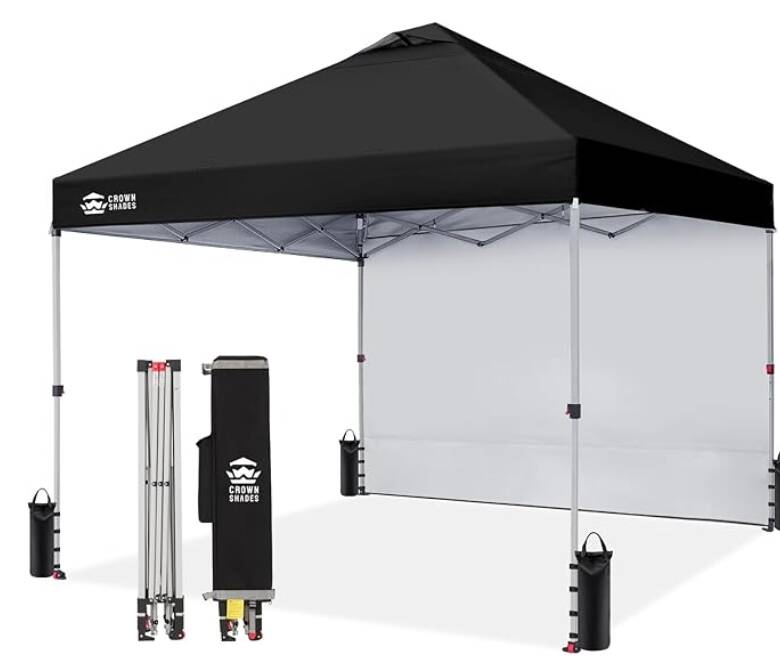
Portable canopies
-
Shade sails
-
Pop-up shelters
-
Sidewall awnings
-
Outdoor umbrellas
-
Privacy screens that double as sun blockers
These additions don't just cool your RV—they also create comfortable outdoor living spaces where you'll likely spend much of your day.
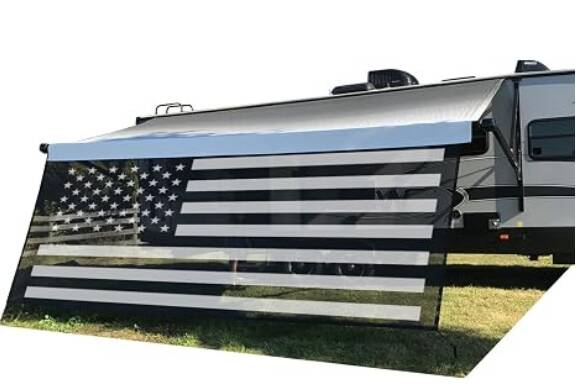
If your RV includes an awning, don't forget to use it. Besides creating a pleasant patio area, an awning shades one side of your RV, reducing the amount of heat transferred through walls and windows.
Suggested Item: Portable Canopy – Perfect for creating additional shade when trees aren't available and ideal for expanding your outdoor living space.
Suggested Item: RV Awning Sun Shade Screen 8' X 15' 3'' (American Flag) Black Mesh Sunshade Camper Trailer Awning Shade Screen UV Blocker Completed Kits
Before reserving your next campsite, spend an extra minute looking at satellite imagery or campground photos. A little planning can often mean the difference between relaxing comfortably under the trees and spending the afternoon hiding inside with the AC struggling to keep up.
Block Heat Before It Enters
One of the smartest ways to keep your RV cool is to prevent heat from getting inside in the first place.
Many RV owners immediately think about buying bigger air conditioners or adding more fans, but often the easiest and most affordable improvements involve simply blocking the sun before it has a chance to heat your living space.
Your RV's windows are the largest source of heat gain. Sunlight streams through the glass and quickly heats your furniture, countertops, flooring, walls, and cabinets. Once those surfaces become warm, they continue radiating heat long after the sun has moved.
Fortunately, there are several inexpensive upgrades that can dramatically reduce this heat transfer.
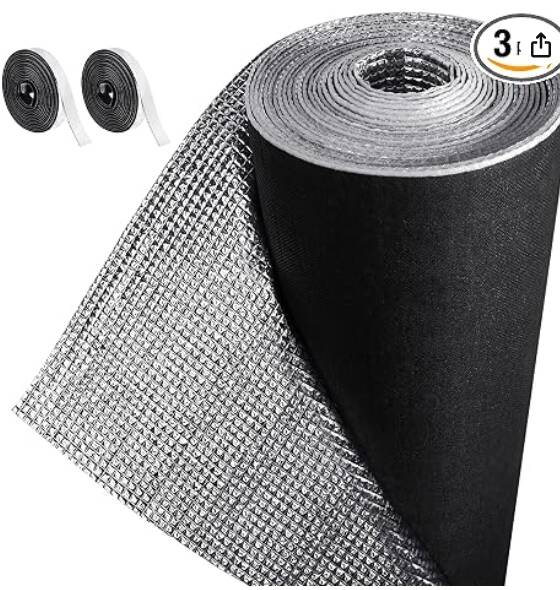
Reflective window insulation such as Reflectix remains one of the most popular RV cooling products—and for good reason. It reflects much of the sun's radiant heat back outside while also helping insulate your windows. Many RV owners cut individual pieces to fit each window so they can easily install and remove them throughout the day.
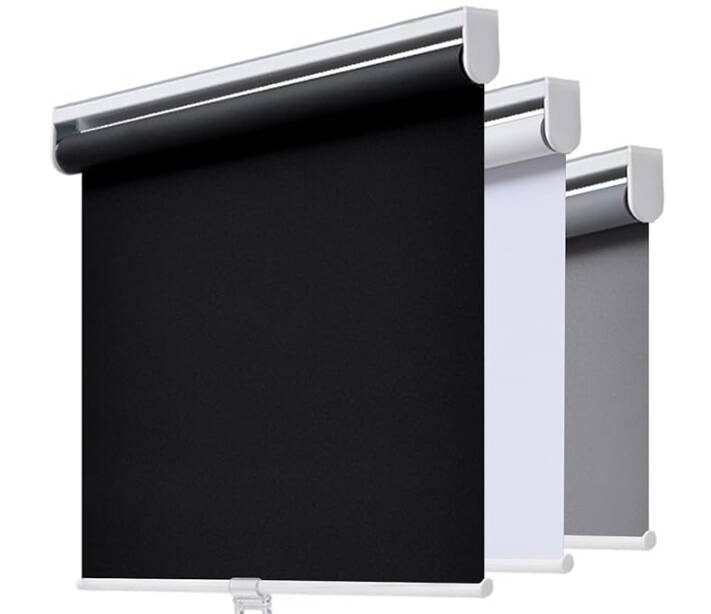
Thermal curtains offer another excellent solution. Unlike standard curtains, they're specifically designed to reduce heat transfer while still giving your RV a finished, comfortable appearance. During the hottest part of the afternoon, simply closing thermal curtains on sun-facing windows can noticeably reduce indoor temperatures.
Don't forget about other overlooked sources of heat:
-
Skylights
-
Entry door windows
-
Bathroom windows
-
Windshields in motorhomes
-
Glass patio doors on destination trailers
These areas can allow a surprising amount of heat inside.
You may also want to consider exterior windshield covers if you own a motorhome. Unlike interior shades, exterior covers stop much of the sun's heat before it ever reaches the glass, making them considerably more effective.
Suggested Products:
- Reflective Window Covers (Reflectix) Upgraded Blackout Design: this RV window cover adopt upgraded blackout design, three layer material structure effectively keeping the temperature regulated in your RV or camper while also blocking light protects your privacy and helps keep your rig cooler!
- Thermal Blackout Curtains
Cordless Roller Shades Blackout Blinds for Windows Room Darkening Rolled Up Shades with Spring System
- Skylight Insulation Cushions
Camco Camper / RV Vent Insulator and Skylight Cover - Features 3 Layers to Reduce Heat Transfer & Increase A/C Efficiency
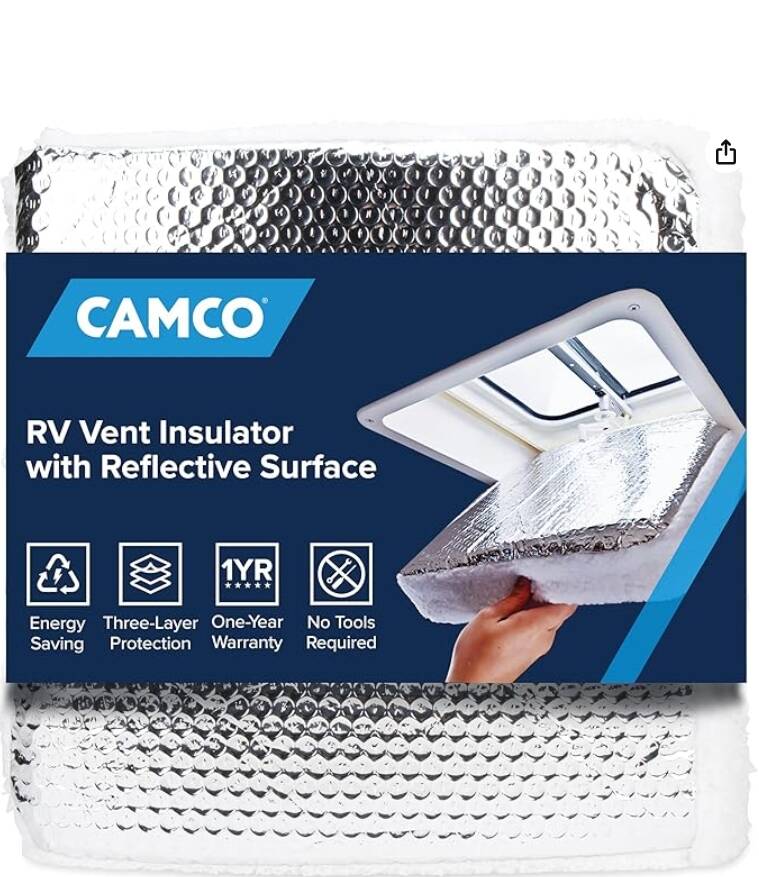
Remember, every degree of heat you prevent from entering your RV is one less degree your air conditioner has to remove later. It's one of the simplest, most cost-effective improvements you can make for comfortable summer camping.
Pro Tip: Many experienced RVers install Reflectix on the windows receiving direct sunlight while leaving the shaded windows uncovered. This still allows plenty of natural light inside while blocking the majority of unwanted heat. It's a simple trick that keeps your RV brighter without sacrificing comfort.
Ventilation is Key


When it comes to staying cool in your RV, air conditioning isn't the only thing that matters. In fact, one of the simplest and most effective ways to improve comfort is by keeping air moving.
Moving air helps carry heat out of your RV while creating a cooling effect on your skin, making the interior feel several degrees cooler even if the actual temperature hasn't changed. That's why proper ventilation should be one of the first strategies you use—whether you're plugged into shore power or boondocking miles from the nearest campground.
The key is creating a continuous flow of air instead of simply opening a random window.
Whenever outdoor temperatures are cooler than the inside of your RV—typically early in the morning or after sunset—open windows on opposite sides of your rig to create a cross breeze. This allows fresh air to enter from one side while warm air escapes through the other.
Don't forget that heat naturally rises.
Roof vents are incredibly effective because they allow hot air trapped near your ceiling to escape. If your RV is equipped with powered roof vent fans, use them to actively pull hot air out of the coach. Even a small roof fan can make a noticeable difference by continuously removing warm, stagnant air.
Portable fans can also play a major role in improving comfort. Instead of pointing them directly at yourself, experiment with positioning them to move air through your RV. A fan placed near an open window can help draw cooler outside air inside, while another fan can push warm air toward an open roof vent.
Some of the best places to use portable fans include:
- The bedroom, where heat often builds overnight.
- Bunk rooms with limited airflow.
- Bathrooms after showers to reduce humidity.
- Near your dinette or sofa during the afternoon.
- In front of your air conditioner to help distribute cool air more evenly.
Another often-overlooked tip is to avoid blocking your RV's air conditioning vents with furniture, baskets, decorations, or hanging storage organizers. Restricted airflow forces your AC to work harder while reducing the amount of cool air reaching the areas where you need it most.
If you're camping without hookups, ventilation becomes even more important. By maximizing natural airflow throughout the day and taking advantage of cooler evening temperatures, you can often keep your RV surprisingly comfortable without relying entirely on powered cooling equipment.
Suggested Item: USB Rechargeable Oscillating Fan – Compact, quiet, and perfect for bedrooms, dinettes, or boondocking where conserving power is important.
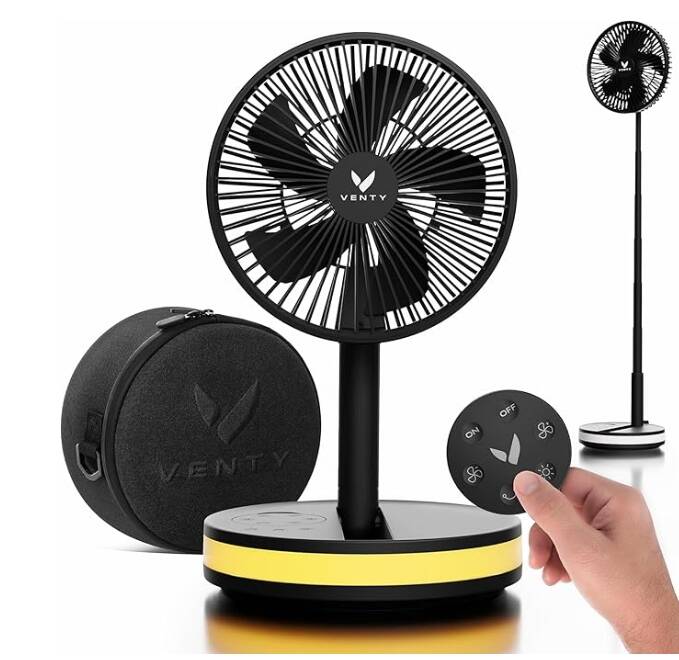
Pro Tip: If nighttime temperatures drop into the 60s or low 70s, open your windows and roof vents before bed. You'll naturally cool the RV overnight and give your air conditioner a much easier job the following morning.
Is Your RV Air Conditioner Working as Efficiently as It Could?
When temperatures soar into the upper 90s, it's easy to assume your air conditioner simply isn't powerful enough. But before you start shopping for a replacement, there's a good chance your existing AC just isn't operating at peak efficiency.
One of the biggest misconceptions among RV owners is that if cold air is coming out of the vents, the air conditioner must be working properly. In reality, even small maintenance issues can reduce cooling performance significantly without causing the unit to stop working altogether.
The first place to check is the air filter.
Over time, dust, pet hair, pollen, and campground debris collect on the filter, restricting airflow. Reduced airflow means less cool air reaches your living space, and your AC has to run longer to achieve the same results.
Fortunately, cleaning or replacing the filter only takes a few minutes and is one of the easiest maintenance tasks you can perform.
Next, inspect the evaporator and condenser coils. Dirty coils reduce the unit's ability to transfer heat efficiently, forcing the compressor to work harder while producing less cooling.
It's also worth checking your ceiling vents and ductwork. Make sure vents are fully open and that nothing is obstructing airflow. Storage baskets, decorations, or aftermarket vent covers can unintentionally block cool air from reaching parts of your RV.
If your RV uses ducted air conditioning, inspect each vent to ensure air is flowing evenly throughout the coach. Sometimes one vent may receive significantly more airflow than another, and simple adjustments can improve overall comfort.
Another issue many RV owners overlook is campground voltage.
During busy summer weekends, hundreds of RVs may be running their air conditioners at the same time. Low campground voltage can reduce the performance of your AC while increasing wear on the compressor.
Using an EMS (Electrical Management System) or surge protector that monitors incoming voltage can help protect your electrical system while alerting you to potentially damaging low-voltage conditions.
If your air conditioner seems to run continuously but never quite cools the RV, it's also worth checking the seals around windows, entry doors, slide-outs, and roof vents. Small air leaks allow cool air to escape while letting hot outside air enter, forcing your AC to work even harder.
Here are a few quick maintenance tasks to perform before every summer camping season:
- Clean or replace AC filters.
- Inspect roof AC coils.
- Check roof seals and weather stripping.
- Verify vents are fully open.
- Inspect ductwork for obstructions.
- Test campground voltage with an EMS.
- Clean return air grilles.
Keeping your air conditioner clean and properly maintained not only improves comfort but can also extend the life of one of the most expensive appliances on your RV.
Suggested Item: RV Electrical Management System (Surge Protector) – Protects your RV from low voltage and electrical surges while helping your air conditioner perform safely.
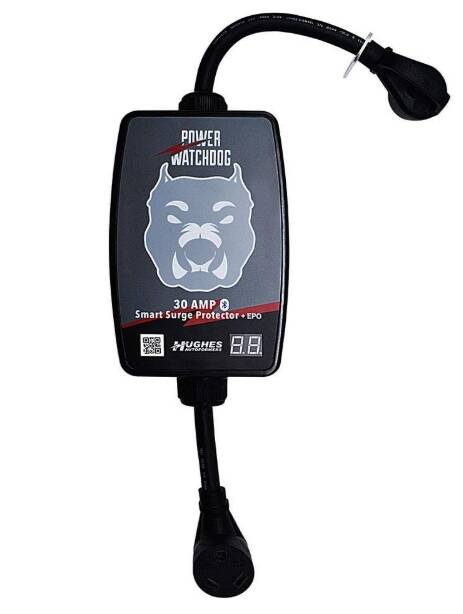
Helpful Resource: Looking for a complete seasonal maintenance checklist? Be sure to check out our RV Maintenance Guide, where we cover everything from roof inspections and AC maintenance to water systems, batteries, tires, and more.
Control Humidity for Greater Comfort
Have you ever noticed that 85 degrees can feel perfectly comfortable one day and absolutely miserable the next?
The difference is often humidity.
Humidity doesn't actually increase the air temperature, but it makes it much harder for your body to cool itself naturally. When moisture levels are high, sweat doesn't evaporate as efficiently, causing you to feel hotter even though the thermometer hasn't changed.
Inside an RV, humidity can build surprisingly quickly.
Every shower, every pot of boiling water, wet towels, damp swimsuits, and even breathing adds moisture to the air. Because RVs are relatively small and tightly sealed, that moisture has nowhere to go unless it's properly ventilated.
Fortunately, reducing humidity is often easier than lowering the temperature.
Start by using your bathroom exhaust fan every time someone showers. Leave it running for several minutes afterward to remove excess moisture before it spreads throughout the RV.
When cooking, turn on your range hood vent or crack open a nearby window to allow steam to escape.
If conditions outside are dry enough, opening windows during the morning or evening can also help exchange humid indoor air for fresher outside air.
For campers spending extended time in humid climates like Florida, the Gulf Coast, or the Southeast, a compact dehumidifier can be one of the best investments you'll make. Many small units remove several pints of water from the air each day while helping your air conditioner cool more efficiently.
Additional ways to reduce humidity include:
- Dry towels outside whenever possible.
- Leave shower doors open after use.
- Avoid hanging wet clothes inside your RV.
- Run roof vent fans during cooking.
- Wipe condensation from windows before it accumulates.
Lower humidity offers benefits beyond comfort.
It also helps reduce condensation on windows, discourages mold and mildew growth, protects cabinetry, and creates a healthier indoor environment during long camping trips.
Suggested Item: Compact RV Dehumidifier – Quiet, energy-efficient, and perfect for keeping moisture levels under control during humid summer camping.
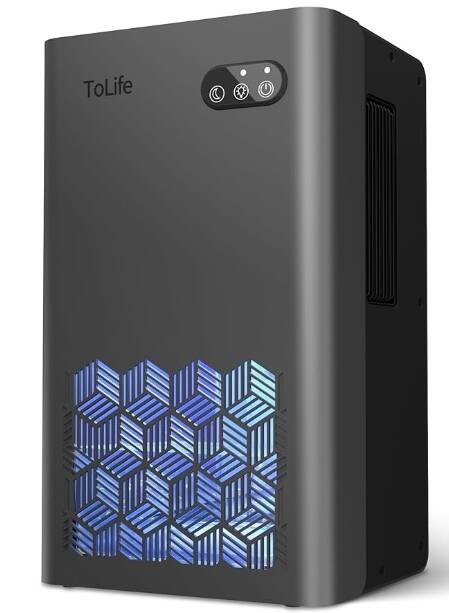
Did You Know? Your air conditioner removes some humidity as it cools the air. However, when humidity levels become extremely high, adding a dedicated dehumidifier can significantly improve both comfort and AC performance.
Cook Outside

Few things heat up an RV faster than preparing dinner inside.
Every burner on your stovetop, every minute the oven is running, and every pot of boiling water adds heat directly into your living space. During the middle of summer, that extra heat forces your air conditioner to work even harder and can quickly undo all the cooling progress you've made throughout the day.
Whenever possible, take your kitchen outside.
Outdoor cooking has become one of the biggest trends in RV camping—not just because it's fun, but because it's practical.
Today's campers have more options than ever, including:
- Portable propane grills
- Blackstone griddles
- Camp stoves
- Pellet grills
- Outdoor air fryers
- Portable induction cooktops (when hookups are available)
Cooking outside keeps heat, grease, odors, and excess humidity out of your RV while allowing you to enjoy the fresh air and campground atmosphere.
Breakfast is another great opportunity to avoid heating the inside of your RV. Instead of cooking bacon and pancakes indoors, fire up the griddle outside while enjoying your morning coffee under the awning.
Planning meals ahead of time can also make a noticeable difference.
Consider meals that require little or no cooking during especially hot weather, such as:
- Sandwiches
- Pasta salad
- Chicken salad
- Fresh fruit
- Wraps
- Charcuterie boards
- Slow cooker meals prepared outside
Another helpful strategy is batch cooking. If cooler weather is expected later in the evening, prepare multiple meals at once so you're not generating additional heat every afternoon.
Outdoor cooking doesn't just help keep your RV cool—it often becomes one of the most enjoyable parts of the camping experience. Sharing meals around the campsite while watching the sunset is one of the simple pleasures that keeps many of us coming back to RVing year after year.
Suggested Items:
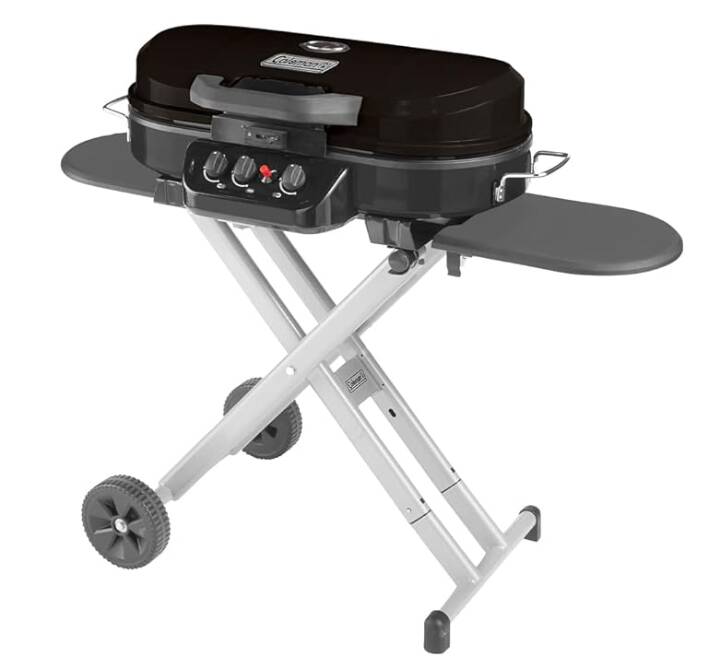
Coleman RoadTrip 285 Portable Stand-Up Propane Grill with 3 Adjustable Burners
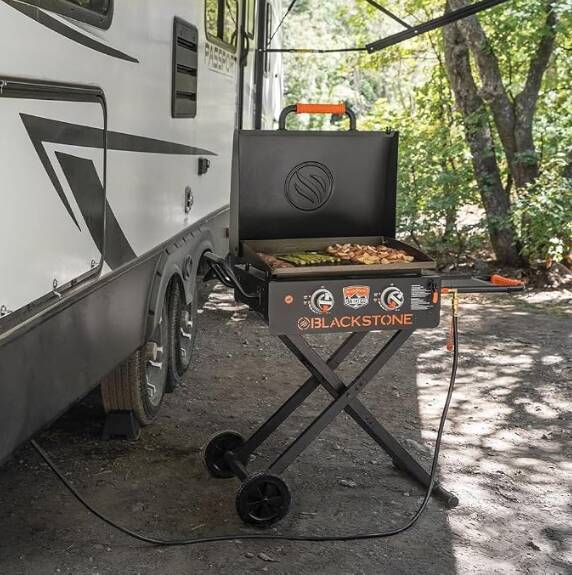
Blackstone On The Go 22" Omnivore Griddle RV-Ready Package - Includes Propane Quick Connect and Griddle Tool Kit - The Ultimate Blackstone Grill Kit
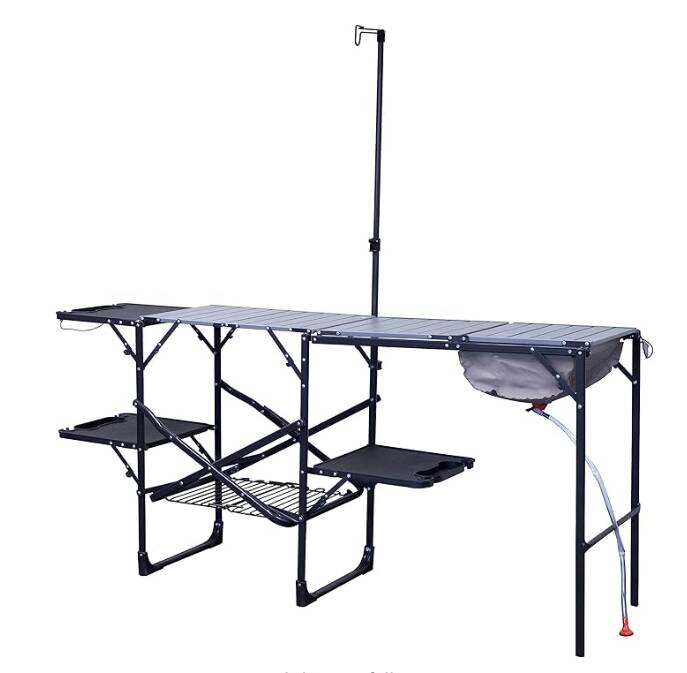
GCI OUTDOOR Master Cook Station | Portable Folding Kitchen Table with Soft Shell Sink, Heat Resistant Tabletop & Telescoping Lanter Pole, Perfect for Camping Trips
You'll not only keep your RV cooler, but you'll likely discover that meals simply taste better when they're cooked outdoors.
Keep Your RV Refrigerator Running Efficiently
When the temperatures outside begin climbing into the 90s—or even triple digits—your air conditioner isn't the only appliance working overtime. Your RV refrigerator also has to fight much harder to keep food at a safe temperature.
Many RV owners don't realize that RV refrigerators operate very differently than the one in their home. Whether you have a traditional absorption refrigerator or a newer 12-volt compressor model, excessive outside heat can reduce cooling performance if the system isn't properly maintained or operated.
If you've ever opened your refrigerator on a hot afternoon only to find drinks that aren't quite cold or ice cream that's beginning to soften, you're certainly not alone.
Fortunately, there are several simple steps you can take to help your refrigerator perform at its best.
Start Cooling Before You Leave Home
One of the biggest mistakes RV owners make is turning on the refrigerator just before leaving for a camping trip.
Instead, plug your RV in the day before departure and allow your refrigerator at least 12 to 24 hours to fully cool down before adding food. Loading an already cold refrigerator allows it to maintain temperature much more efficiently throughout your trip.
If possible, chill beverages and groceries in your home refrigerator first. Placing room-temperature food inside your RV refrigerator forces it to remove significantly more heat, making it work much harder during the first day of your trip.
Help It Breathe
Your refrigerator needs proper airflow to remove heat efficiently.
Locate the exterior refrigerator access panel on your RV and periodically inspect it for:
- Dirt buildup
- Leaves
- Spider webs
- Bird nests
- Debris blocking ventilation
Even a small obstruction can reduce airflow and impact cooling performance.
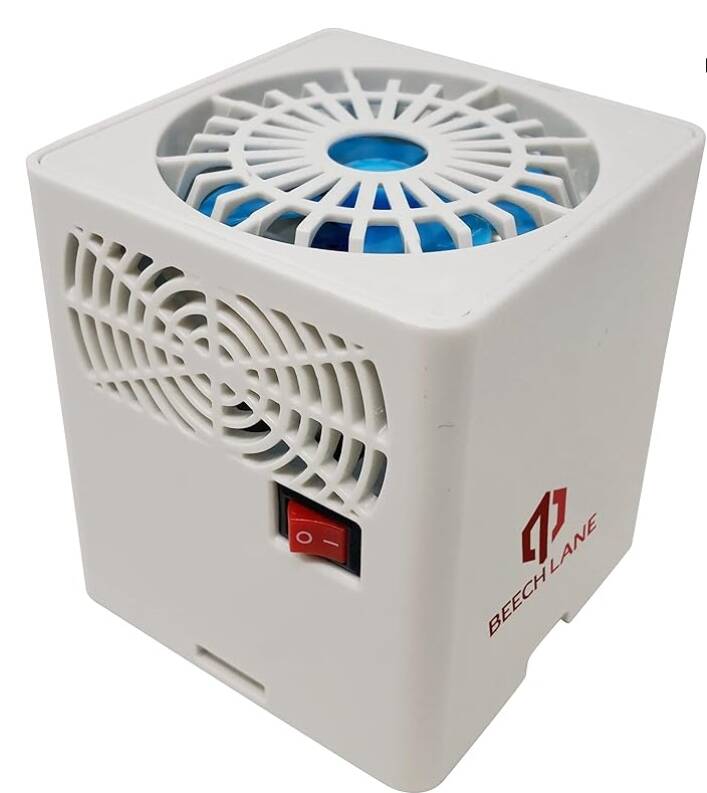
Many experienced RV owners also install small refrigerator ventilation fans behind the exterior access panel to improve airflow over the cooling coils. These inexpensive fans can noticeably improve refrigerator efficiency during extremely hot weather.
Park Smart
Whenever possible, try to park your RV so the refrigerator side receives afternoon shade.
This simple strategy reduces the amount of heat surrounding the refrigerator compartment and helps the cooling system operate more efficiently.
If full shade isn't available, deploying your awning or using a portable canopy can also help reduce overall temperatures around your RV.
Don't Overwork the Refrigerator
Every time you open the refrigerator door, cold air escapes and warm air rushes in.
While this may seem obvious, minimizing unnecessary door openings during the hottest part of the day can make a noticeable difference.
Other helpful tips include:
- Avoid overpacking the refrigerator.
- Leave space between food items for air circulation.
- Allow hot leftovers to cool before refrigerating them.
- Organize food so frequently used items are easy to reach.
- Check door seals periodically for damage.
Keeping your refrigerator organized not only helps it cool more efficiently but also makes meal preparation much easier while camping.
Suggested Items
Beech Lane RV Fridge Fan, Patented, High Power 3,000 RPM Motor, Easy On and Off Switch, Multiple Side Vents Increase Airflow
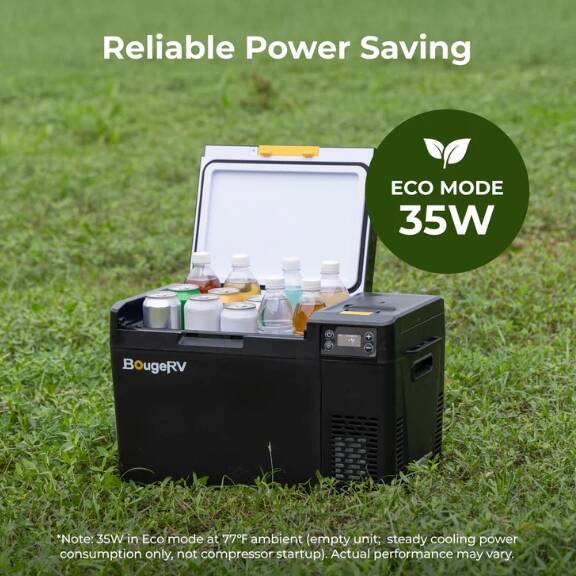
A portable refrigerator/freezer can also be a fantastic addition for longer trips. By moving drinks and frequently accessed items outside to a second refrigerator, you'll dramatically reduce how often the main refrigerator door is opened throughout the day.
Whether you're spending the weekend at a campground or boondocking in the desert, keeping your refrigerator running efficiently means safer food, colder drinks, and one less thing to worry about during your summer adventures.
Evaporative Coolers Can Help
If you're camping in a dry climate, an evaporative cooler can be a surprisingly effective way to stay comfortable without placing additional demands on your RV's electrical system.
Unlike a traditional air conditioner, which uses refrigerant and a compressor to cool the air, an evaporative cooler works by passing warm air over water or ice. As the water evaporates, it naturally lowers the temperature of the air being blown into the room.
This method works best in areas with low humidity, such as much of the Southwest, where dry air allows evaporation to occur quickly.
Build Your Own Cooling Station
If you're feeling a little creative, you can make a simple DIY evaporative cooler using just a few inexpensive supplies:
- A small cooler
- Ice
- A portable fan
- A short section of PVC pipe (optional)
Place ice inside the cooler and position the fan so it blows air across the ice and toward your seating area. While this won't replace your air conditioner, it can provide a refreshing stream of cooler air during the hottest part of the afternoon.
Portable Evaporative Coolers
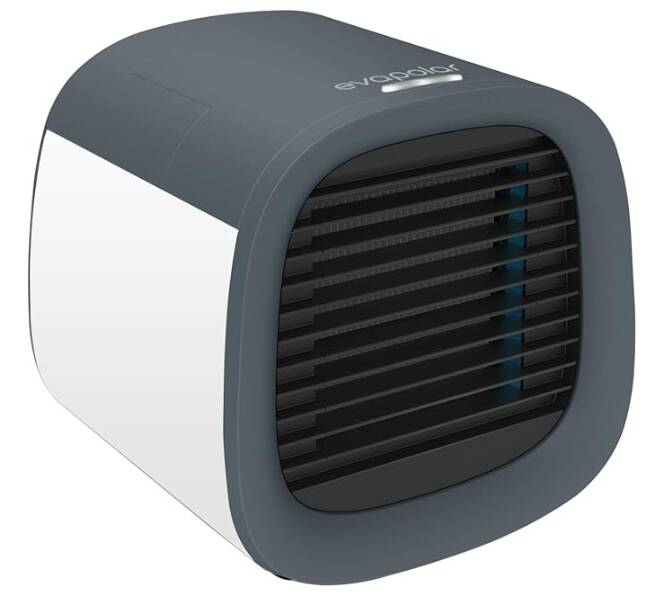
If you'd rather skip the DIY project, portable evaporative coolers are readily available and designed specifically for personal cooling.
They're particularly useful:
- While relaxing outside under the awning.
- During power outages.
- While boondocking.
- In workshops or garages.
- As supplemental cooling inside your RV.
Just remember that evaporative coolers become much less effective in humid climates. If you're camping along the Gulf Coast or in the Southeast during the summer, you'll likely get better results by focusing on airflow, dehumidification, and shade instead.
Suggested Item
- Portable Evaporative Cooler – Great for dry climates and off-grid camping where conserving electricity is important.
Stay Hydrated
Sometimes the best way to stay cool has nothing to do with lowering the temperature inside your RV.
Your body has its own natural cooling system—but it only works effectively when you're properly hydrated.
When you're spending time outdoors hiking, setting up camp, grilling dinner, or simply relaxing around the campsite, you're constantly losing fluids through perspiration. Even if you don't feel particularly sweaty, dehydration can happen much faster than many people realize, especially in hot, dry climates.
By the time you actually feel thirsty, your body may already be mildly dehydrated.
That's why it's important to drink water consistently throughout the day instead of waiting until you're thirsty.
Make Hydration Easy
One of the simplest ways to encourage better hydration is to always keep cold water within reach.
Consider keeping:
- Reusable insulated water bottles
- Ice water in a large insulated jug
- Electrolyte drink packets
- Fresh fruit with high water content
- Frozen grapes or watermelon
- Popsicles for a refreshing afternoon treat
If you're traveling with children or pets, hydration becomes even more important. Kids often become so busy playing that they forget to drink enough water, while pets can overheat much faster than adults.
Always provide plenty of fresh drinking water and avoid leaving pets inside the RV unless temperatures are properly controlled.
Recognize the Signs of Heat Exhaustion
Even experienced campers should know the warning signs of heat-related illness.
Watch for symptoms such as:
- Dizziness
- Headache
- Nausea
- Muscle cramps
- Excessive sweating
- Weakness
- Confusion
If anyone begins showing these symptoms, move them into the shade or air conditioning immediately, encourage fluids, and seek medical attention if symptoms worsen.
Hydration is one of the easiest—and most overlooked—ways to enjoy safer and more comfortable summer camping.
Suggested Item: Portable Cooler - Keep your beverages ice-cold all day long. (Battery Operated!)

Keep Hydrated
Hydration is your best friend during the summer heat. Drink plenty of water and keep a cooler stocked with ice-cold beverages. Snacks like popsicles and frozen fruits can provide a refreshing way to cool down. Remember, staying hydrated helps regulate your body temperature and keeps you feeling your best.
Suggested Item:
32/40/64/128 oz Insulated Water Bottle with straw & Spout Lids Keep Cold 48H
Cool Bedding for Better Sleep
After spending the day hiking, sightseeing, or relaxing around the campground, there's nothing worse than climbing into bed only to discover your bedroom still feels like a sauna.
Unfortunately, bedrooms are often one of the warmest areas inside an RV.
Warm air naturally rises, many bedrooms have fewer windows for cross ventilation, and mattresses tend to retain body heat throughout the night.
Fortunately, a few simple changes can dramatically improve your quality of sleep.
Choose Breathable Bedding
The type of bedding you use makes a much bigger difference than many people realize.
Natural fibers such as bamboo and cotton breathe much better than many synthetic materials, allowing heat and moisture to escape more easily.
Look for:
- Bamboo sheets
- Cotton sheets
- Lightweight comforters
- Moisture-wicking pillowcases
- Cooling mattress protectors
These products don't lower the room temperature, but they help your body regulate its temperature more effectively while you sleep.
Cool the Bedroom Before Bedtime
If temperatures begin dropping after sunset, take advantage of the cooler air.
About an hour before bed:
- Open bedroom windows.
- Turn on roof vent fans.
- Use portable fans to circulate cooler evening air.
- Close windows before outdoor temperatures begin rising the following morning.
This simple routine often allows your bedroom to cool naturally before you go to sleep.
Sleep Smarter
A few additional tricks many experienced RVers use include:
- Sleeping with lightweight blankets instead of heavy comforters.
- Running a small bedside fan for white noise and airflow.
- Closing bedroom doors during the day to better control temperatures.
- Using moisture-wicking sleepwear.
Suggested Item: Cooling Sheets - Soft, breathable, and perfect for hot summer nights.
A comfortable night's sleep can completely change your camping experience. After all, tomorrow's adventures are a lot more enjoyable when you've had a cool, restful night.
Cold Compresses and Misting
Even with the best planning, there will be times when the summer heat simply catches up with you. Maybe you've just finished setting up camp, returned from a hike, or spent the afternoon exploring a new town. When your body starts feeling overheated, sometimes you need immediate relief rather than waiting for your RV to cool down.
Fortunately, a few simple cooling techniques can help lower your body temperature quickly and get you feeling comfortable again.
One of the easiest methods is using a cold compress. Applying a cool, damp towel to areas where blood vessels are close to the skin can provide surprisingly fast relief. Focus on your:
- Neck
- Wrists
- Forehead
- Behind your knees
- Inside your elbows
These areas help cool the blood circulating throughout your body, allowing you to feel refreshed much faster than simply sitting in front of a fan.
Another favorite among RVers is a portable misting fan. These compact devices combine a gentle stream of cool mist with moving air, creating an instant cooling effect that's perfect while relaxing under the awning, attending outdoor events, or sitting around the campground.
If you're spending the day sightseeing or hiking, consider packing a cooling towel. Simply soak it in water, wring it out, and drape it around your neck. Many cooling towels remain refreshingly cool for hours and take up very little space in your camping gear.
Other Quick Ways to Cool Down
When temperatures become uncomfortable, try one or more of these ideas:
- Soak your feet in a tub of cool water.
- Take a quick lukewarm shower.
- Move into the shade immediately.
- Drink cold water or an electrolyte beverage.
- Wear light-colored, moisture-wicking clothing.
- Sit in front of a portable fan.
These simple techniques won't lower the air temperature inside your RV, but they can make a significant difference in how you feel while your cooling strategies take effect.
Suggested Item:
- Misting Fan - Keep cool on the go with this handy gadget.
- Cooling Towels
Remember, staying cool isn't just about keeping your RV comfortable—it's about taking care of yourself and recognizing when it's time to slow down during extremely hot weather.
Insulation Matters
Many RV owners focus on cooling their RV after it gets hot. A more effective long-term strategy is preventing that heat from getting inside in the first place.
That's where insulation comes in.
While upgrading insulation may not be the quickest or least expensive project on this list, it's one of the few improvements that benefits you during both the hottest days of summer and the coldest nights of winter.
Better insulation helps keep cool air inside, slows heat transfer through walls and ceilings, and reduces how often your air conditioner needs to cycle on.
Areas Worth Improving
Not every insulation project requires tearing apart your RV. Some of the biggest improvements can be made in surprisingly simple ways.
Consider upgrading or adding insulation to:
- Roof vents
- Skylights
- Pass-through storage compartments
- Entry doors
- Exterior access panels
- Under-bed storage areas
- Slide-out floors
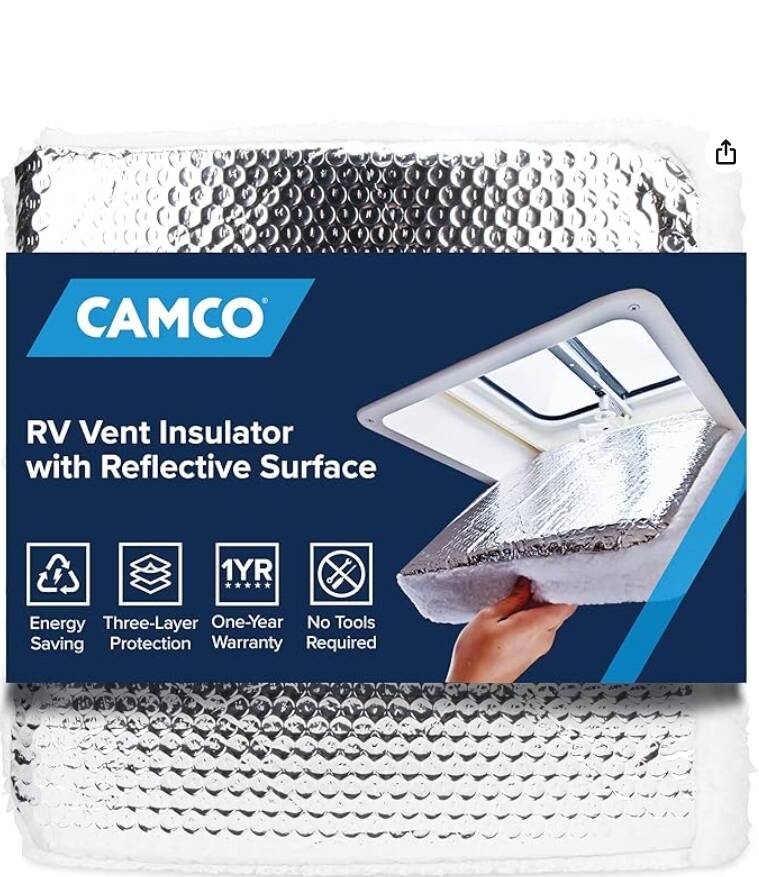
Many RV owners are surprised to discover just how much heat enters through roof vents and skylights. Installing insulated vent cushions is an inexpensive project that can noticeably improve comfort during the summer months.
Thinking Bigger?
If you're planning a renovation or own an older RV, you might also consider:
- Additional roof insulation
- Foam board insulation in accessible walls
- Spray foam in selected compartments
- Improved weather stripping around doors and slide-outs
While these projects require more time and planning, they can dramatically improve year-round comfort while reducing heating and cooling costs.
Suggested Items:
- Skylight/Vent Insulation Cushions
Camco Camper / RV Vent Insulator and Skylight Cover - Features 3 Layers to Reduce Heat Transfer & Increase A/C Efficiency
Every bit of insulation you add means less work for your air conditioner and a more comfortable RV no matter where your travels take you.
Extreme Heat Survival Checklist
Some camping trips coincide with record-breaking temperatures, and when the forecast calls for highs in the upper 90s or even triple digits, preparation becomes more important than ever.
Instead of reacting to the heat, prepare your RV before the hottest part of the day arrives.
Use this checklist each morning when extreme temperatures are expected.
Before 9:00 AM
✅ Deploy your awning.
✅ Install Reflectix on sunny windows.
✅ Close thermal curtains on windows receiving direct sunlight.
✅ Open windows while the morning air is still cool.
✅ Run roof vent fans to remove overnight heat.
✅ Start your air conditioner before the interior begins heating up.
Midday
✅ Close windows once outdoor temperatures rise.
✅ Limit opening the RV door.
✅ Drink water regularly.
✅ Cook outside whenever possible.
✅ Keep pets indoors with adequate cooling.
✅ Stay in the shade during the hottest hours.
Throughout the Day
✅ Monitor refrigerator temperature.
✅ Check campground voltage if using shore power.
✅ Run portable fans to improve airflow.
✅ Take breaks from strenuous outdoor activities.
✅ Watch for signs of heat exhaustion in family members and pets.
By combining several small cooling strategies instead of relying on just one, you'll often stay significantly more comfortable—even during extreme weather.
Pro Tip: Download our RV Checklist App and create a dedicated "Summer Camping Checklist" so you never forget these important steps before each trip.
Plan Your Activities
Sometimes the smartest way to beat the heat isn't changing your RV—it's changing your schedule.
Many experienced RVers naturally adjust their daily routine around the weather, allowing them to spend more time outdoors while avoiding the hottest part of the day.
Instead of trying to squeeze every activity into the afternoon, plan your adventures when temperatures are more comfortable.
Best Times for Outdoor Activities
Early mornings are perfect for:
- Hiking
- Bike rides
- Walking the dog
- Fishing
- Kayaking
- Scenic drives
Late afternoons and evenings are great for:
- Campfires
- Outdoor cooking
- Exploring local towns
- Playing games around the campsite
- Relaxing under the awning
During the hottest part of the day, consider slowing down.
This is a great time to:
- Read a book.
- Take a short nap.
- Visit a local museum.
- Explore an air-conditioned visitor center.
- Grab lunch at a nearby restaurant.
- Organize your RV.
- Plan tomorrow's adventure.
Not every memorable camping experience has to involve constant activity. Sometimes simply relaxing and enjoying your surroundings is the best part of the trip.
If you're traveling with children or pets, adjusting your schedule becomes even more important. Pavement, sand, and artificial turf can become dangerously hot during the afternoon, making walks uncomfortable or even unsafe for pets.
Planning around the weather allows everyone to stay happier, healthier, and more energized throughout your trip.
Products That Help Keep Your RV Cool
While many of the tips we've discussed cost little or nothing to implement, the right gear can make staying comfortable much easier during the hottest months of the year.
Over the years, we've found that a handful of products consistently provide the biggest improvements in summer camping comfort.
Here are some of our favorites:
Keep the Heat Out
- Reflective Window Covers
- Thermal Blackout Curtains
- Roof Vent Cushions
- Portable Canopy
- Shade Cloth
Improve Airflow
- USB Rechargeable Fans
- Roof Vent Fans
- Oscillating Table Fans
Improve Cooling Performance
- RV Electrical Management System (EMS)
- Refrigerator Circulation Fan
- Wireless Refrigerator Thermometer
Stay Comfortable
- Cooling Bamboo Sheets
- Portable Dehumidifier
- Misting Fan
- Cooling Towels
- Large Insulated Water Bottles
- Portable Cooler
Outdoor Cooking Essentials
- Portable Grill
- Blackstone Griddle
- Camp Stove
- Folding Prep Table
You'll find many of these products, along with other RV owner favorites, in our RV Essential Store, where we've gathered products we personally recommend to help make camping easier, safer, and more enjoyable.
Rather than purchasing everything at once, start with the items that address your biggest challenges. Even one or two upgrades can make a noticeable difference in your comfort during the summer.
Stay Cool and Enjoy the Journey
Summer camping is all about creating memories—watching sunsets from your campsite, exploring beautiful new destinations, gathering around the campfire with family and friends, and enjoying the incredible freedom that comes with RV travel.
Don't let the heat keep you from making the most of those experiences.
As you've seen throughout this guide, staying comfortable isn't about relying on a single solution. The most successful RVers combine multiple strategies that work together.
Choose a shady campsite whenever possible. Block the sun before it enters your RV. Improve airflow with fans and ventilation. Keep your air conditioner properly maintained. Cook outdoors. Stay hydrated. Make smart use of insulation and cooling products. Most importantly, plan ahead instead of waiting until your RV is already uncomfortable.
The beauty of RVing is that every trip teaches you something new. As you gain experience, you'll discover which cooling strategies work best for your particular RV, your camping style, and the places you love to visit.
We'd also love to hear from you.
What's your favorite trick for keeping your RV cool during the summer?
Leave a comment below and share your best advice with fellow RVers. Some of the best camping tips come from years of real-world experience, and your idea might help someone else enjoy their next adventure a little more comfortably.
Continue Your RV Journey
If you found this guide helpful, you may also enjoy these resources on RV Basic Essentials:
- RV Maintenance Guide – Learn how to keep your RV in peak condition all season long.
- Boondocking for Beginners – Tips for staying comfortable while camping off-grid.
- RV Organization & Storage Ideas – Maximize space and improve airflow inside your RV.
- RV Essential Store – Browse our favorite products for summer camping, maintenance, towing, organization, and everyday RV living.
- RV Checklist App – Get our FREE Packing Checklist, then take it even further with our RV Checklist App and NEVER forget an important task before your next adventure. We have lists for Packing, Arrival, Departure, Towing, and even Winterization!
No matter where the road takes you this summer, we hope these tips help you stay cooler, camp longer, and enjoy every mile along the way.
Safe travels, happy camping, and we'll see you at the next campsite! 🚐☀️
Frequently Asked Questions
How cool should my RV air conditioner be able to keep the inside?
Most RV air conditioners are designed to maintain an interior temperature approximately 18 to 22 degrees cooler than the outside temperature. On a 100°F day, it's normal for your RV to stabilize somewhere in the upper 70s or low 80s. Combining multiple cooling strategies—such as shade, Reflectix, thermal curtains, and proper ventilation—will help your AC perform much more effectively.
Is Reflectix really worth using in an RV?
Absolutely. Reflectix is one of the most affordable upgrades you can make for summer camping. It reflects radiant heat away from your windows, helping reduce interior temperatures and decreasing the workload on your air conditioner. Many RV owners notice an immediate difference, especially on windows receiving direct afternoon sun.
Should I leave my roof vents open during the summer?
Yes—with a few exceptions. Roof vents are excellent for releasing trapped heat and improving airflow, especially during cooler morning and evening hours. If rain is expected, consider using vent covers that allow you to leave the vents open without worrying about water entering your RV.
How can I keep my RV cool while boondocking without hookups?
Start by choosing a shaded campsite whenever possible. Block heat with Reflectix and thermal curtains, maximize natural airflow with roof vents and portable fans, cook outside to reduce indoor heat, stay hydrated, and take advantage of cooler morning and evening temperatures. Portable power stations and solar setups can also help run fans and other small cooling devices while camping off-grid.
What's the easiest upgrade that makes the biggest difference?
For most RV owners, it's hard to beat the combination of Reflectix window covers, thermal curtains, and a few strategically placed portable fans. These inexpensive upgrades can noticeably improve comfort while reducing how hard your air conditioner has to work during the hottest months of the year.
Add comment
Comments