


Why RV Planning Feels Overwhelming!
Every RV season starts the same way for a lot of people.
Spring arrives faster than expected. Campgrounds are suddenly booked solid. Fuel prices feel higher than last year. You realize there are maintenance items you meant to take care of—and upgrades you talked about making—but nothing is really ready yet.
Instead of excitement, the season starts with stress.
That’s not because RV life is hard. It’s because most RVers don’t plan early enough.
RV travel isn’t like booking a weekend hotel stay. It’s a moving lifestyle that involves routes, seasons, reservations, budgets, maintenance, gear, and timing. When those pieces aren’t thought through ahead of time, they pile up fast.
That’s where January comes in.
January is the calm before the RV storm. Campgrounds haven’t filled yet. RV shows are happening. Sales are active. Motivation is high. And most importantly—you still have time to make smart decisions instead of rushed ones.
This is why January has quietly become the most powerful planning month of the entire RV year.
When you plan your RV year in January, you don’t just plan trips—you plan confidence. You plan savings. You plan fewer breakdowns, better routes, smarter upgrades, and more meaningful experiences.
This guide will walk you step-by-step through how to plan your entire RV year in January—from trips and budgets to shows, tools, and upgrades—so when the season starts, you’re ready.
Disclaimer: Some of the links on this blog are affiliate links, meaning, at no additional cost to you, we may earn a commission if you click through and make a purchase. We only recommend products or services we believe will add value to our readers. Thank you for supporting our site.
Why January Is the Smartest Month to Plan Your RV Year

There’s a reason so many RVers feel like they’re always playing catch-up once the season starts. By the time spring arrives, reservations are tight, prices are higher, and the pressure to “just go” replaces thoughtful decision-making. That sense of urgency often leads to rushed bookings, unplanned expenses, and missed opportunities that could have been avoided with earlier planning.
January is different. It’s one of the few moments in the year when RV life slows down enough to look forward instead of reacting. The rig is parked. Travel calendars are open. Motivation is high. And most importantly, you’re not yet constrained by full campgrounds, sold-out events, or last-minute gear decisions. This breathing room is what makes January uniquely powerful.
Planning in January isn’t about locking yourself into rigid plans—it’s about creating a flexible framework for the year ahead. When trips, budgets, shows, and upgrades are considered together instead of in isolation, everything starts to align. Decisions feel calmer. Spending feels intentional. And the RV season unfolds with far less stress because the big picture has already been thought through.
Search trends spike every single year for RV trip planning, RV budgeting, RV upgrades, and RV shows during January. RVers are off the road, back at home, and finally have the mental space to look at the big picture.
But the real advantage of January isn’t just timing—it’s leverage.
When you plan early:
-
You get better campground availability
-
You can build a realistic RV budget instead of reacting to expenses
-
You can attend RV shows with a plan, not impulse
-
You can spread upgrades and maintenance over time
-
You avoid last-minute panic purchases
January planning turns RV life from reactive to intentional.
Instead of asking “Can we afford this trip?” or “Why didn’t we fix this sooner?”, you’re asking “What kind of RV year do we want?”
And once that question is answered, everything else gets easier.
Trip Planning by Season: Mapping Your RV Year the Smart Way

One of the biggest mistakes RVers make is planning trips in isolation—one destination at a time, one reservation at a time—without considering how each trip fits into the overall year. That approach often leads to travel fatigue, weather frustration, and a sense that RV life feels more exhausting than it should.
Seasonal planning changes that.
When you step back and view your RV year as a series of seasons instead of individual trips, patterns start to emerge. You begin to see where travel naturally makes sense, where rest is needed, and where opportunities exist to slow down or speed up. Spring, summer, and fall each bring different weather conditions, crowd levels, and costs—and those differences should shape how and when you travel.
Planning by season also helps balance ambition with realism. Instead of trying to do everything all at once, you spread experiences across the year in a way that feels sustainable. The result is an RV year that flows naturally—one where trips build on each other instead of competing for time, energy, and budget.
A much smarter approach is planning by season.
When you look at your RV year seasonally, you naturally avoid weather issues, overcrowding, and burnout—while maximizing comfort and value.
Spring RV Trip Planning (March–May)
Spring is all about shaking off winter and easing back into travel.
This is the perfect season for:
-
Shorter trips
-
Shoulder-season pricing
-
State parks and regional destinations
-
Maintenance shake-down trips
Spring trips are where you discover what needs attention before summer hits. You’ll notice small issues early—appliances, seals, tires, or systems—that are far easier to fix now than mid-season.
Spring planning tip: Book early, but stay flexible. Weather can still be unpredictable, and spring is ideal for backup plans.
Summer RV Trip Planning (June–August)
Summer is peak RV season—and peak stress if it’s not planned ahead.
This is when:
-
Campgrounds fill months in advance
-
Fuel costs add up fast
-
Long-distance travel is common
-
Families travel around school schedules
January is when summer trips must be planned.
Choose destinations early, secure reservations, and map routes that minimize unnecessary fuel burn. Planning now also allows you to:
-
Compare campground costs
-
Mix full-hookup stays with budget-friendly options
-
Avoid over-packing your schedule
Summer RV success isn’t about doing everything—it’s about doing the right things well.
Fall RV Trip Planning (September–November)
Fall is one of the most underrated RV seasons.
Crowds thin out. Temperatures cool. Campground availability improves. Rates often drop.
Planning fall trips in January lets you:
-
Target shoulder-season savings
-
Explore destinations you skipped in summer
-
Plan scenic routes and slower travel
-
Prepare for early winterization if needed
Fall trips often become favorites—but only if they’re planned early.

Building an Annual RV Budget That Actually Works

RV budgeting has a reputation for being frustrating—and for good reason. Many RVers don’t struggle because they spend too much; they struggle because they don’t see the full picture until it’s too late. Costs arrive in pieces—fuel here, campground fees there, a repair you didn’t expect—and without a plan, those pieces can feel overwhelming.
An annual RV budget shifts the conversation from “Can we afford this right now?” to “Does this fit the year we’re planning?” That’s a powerful difference. Instead of reacting to expenses as they come, you’re making decisions within a framework that already accounts for travel, maintenance, and upgrades.
January is the ideal time to build this kind of budget because nothing has started yet. You’re not undoing decisions—you’re shaping them. When fuel, camping, maintenance, and upgrades are planned together, tradeoffs become clearer and stress drops significantly. A solid RV budget isn’t about limiting adventure—it’s about protecting it.
If RV planning is the roadmap, your budget is the fuel gauge.
And most RV budgets fail because they’re either too vague—or too optimistic.
A strong annual RV budget isn’t about restriction. It’s about clarity.
When you know what RV life truly costs, you make better decisions with less stress.
Core RV Budget Categories to Plan in January
Fuel:
Fuel is one of the most underestimated costs in RV life—not because RVers forget it exists, but because it’s rarely planned with intention. Most people budget fuel trip by trip, filling up as they go, without ever stepping back to see how much fuel truly impacts the entire year. Over time, those small, frequent fuel stops quietly become one of the largest line items in an RV budget.
What makes fuel especially tricky is that it’s influenced by so many moving variables. Route choices, towing speed, elevation changes, weather conditions, detours, side trips, and even how often you explore once you arrive at a destination all play a role. Two RVers traveling similar distances can end up with very different fuel expenses depending on how and where they travel.
Planning fuel costs annually—rather than reactively—gives you control. When you estimate fuel for major trips and everyday driving ahead of time, you start making smarter routing decisions. You may realize that slowing down, clustering trips by region, or avoiding peak travel windows can save hundreds (or thousands) over the season. Fuel planning isn’t about restriction—it’s about awareness, and awareness leads to better RV travel decisions.

Save money next time you fill up your RV or Tow Vehicle with GasBuddy! Find the cheapest Gas wherever you travel!
Camping & Memberships:
Camping costs are one of the most emotionally charged parts of RV budgeting. On one hand, campgrounds are where memories are made—sunsets, campfires, and the feeling of finally settling in. On the other hand, nightly rates, fees, and memberships can quietly drain a budget if they aren’t planned carefully.
Many RVers don’t realize how quickly camping expenses add up because they’re often spread out. A few nights here, a weekend there, a membership renewal you forgot about—it all feels manageable in the moment. But when you total it over an entire year, camping often rivals fuel as one of the biggest RV expenses.
January is the perfect time to take a realistic look at how you camp. Do you prefer full-hookup RV parks? State parks? Boondocking with occasional paid stays? Are memberships actually saving you money—or just giving you more options? Planning this category annually helps you intentionally balance comfort, location, and cost rather than defaulting to whatever is available last minute.
Campground fees vary dramatically by region and amenities. Many RV parks charge $30–$80 per night (Even more for Luxury resorts), while state parks and more remote sites can be lower or higher depending on season. Long-term stays (monthly rates) often reduce per-night costs significantly.
Annual camping can easily range $1,500–$10,000+ depending on how many nights you stay in paid parks versus boondocking or free sites.
When camping costs are planned, you stop guessing—and start choosing.
Memberships That Save Money
-
Good Sam Club
-
Passport America
-
Harvest Hosts / Boondockers Welcome
-
RV Life Trip Wizard
Maintenance & Repairs:
Every RV needs maintenance. That’s not pessimism—it’s reality.
One of the most common financial stress points in RV life isn’t travel—it’s unexpected repairs. Tires age out. Appliances fail. Seals wear down. Components that worked perfectly last season suddenly don’t. The problem usually isn’t the repair itself—it’s that it wasn’t planned for.
Too many RV budgets treat maintenance as a surprise instead of a certainty. Planning this category annually doesn’t mean something will break—it means you’re prepared if it does. And when nothing goes wrong? That money rolls forward into upgrades, future repairs, or peace of mind.
January is the ideal time to plan maintenance because you’re not under pressure. You can look ahead at service intervals, inspections, tire age, and known wear items without the stress of being on the road. This approach turns repairs from emergencies into scheduled tasks—and that shift alone dramatically reduces RV anxiety.
Routine maintenance alone is commonly estimated at $1,000–$2,000 per year for many RV owners, including basic service, seasonal inspections, and preventative tasks.
Unexpected repairs — tires, appliances, roof seals, electronics — can add hundreds to thousands more, depending on age and usage.
Stay on Top of Maintenance to Avoid unexpected costs with our Essential Maintenance Guide!
Complete RV Essentials Maintenance Guide

Keep your RV in top condition and avoid costly repairs with this easy-to-follow maintenance guide. Learn what to check before trips, monthly, and seasonally—covering roof seals, tires, batteries, plumbing, and more. Perfect for new and experienced RV owners who want a simple system to protect their investment and travel with confidence.
Upgrades & Gear:
Upgrades are often the most exciting—and the most impulsive—part of RV ownership. A better mattress. More power. Improved storage. Safety upgrades. Comfort upgrades. The list never ends, and that’s not a bad thing. The challenge is that without a plan, upgrades tend to happen at the worst possible time: mid-trip, under pressure, and over budget.
When upgrades are planned annually, everything changes.
Instead of reacting to discomfort or inconvenience, you decide ahead of time what will truly improve your RV experience this year. You can prioritize upgrades based on how you actually travel, spread costs across the year, and avoid buying things you don’t really need just because you’re frustrated in the moment.
January gives you space to think strategically. What upgrades will make travel safer? What will reduce setup time? What will increase comfort for longer stays? Planning upgrades alongside your annual budget ensures they enhance your RV life instead of complicating it.
Typical Upgrade Spend
Many RVers plan $500–$4,000+ per year on upgrades, depending on goals. Redoing flooring, installing solar, upgrading the electrical system, comfort gear, and water filtration can add up.
Even modest upgrades — better awnings, leveling systems, or solar panels — often pay off through convenience, comfort, and lower long-term operating costs.
Check out these Easy upgrades!
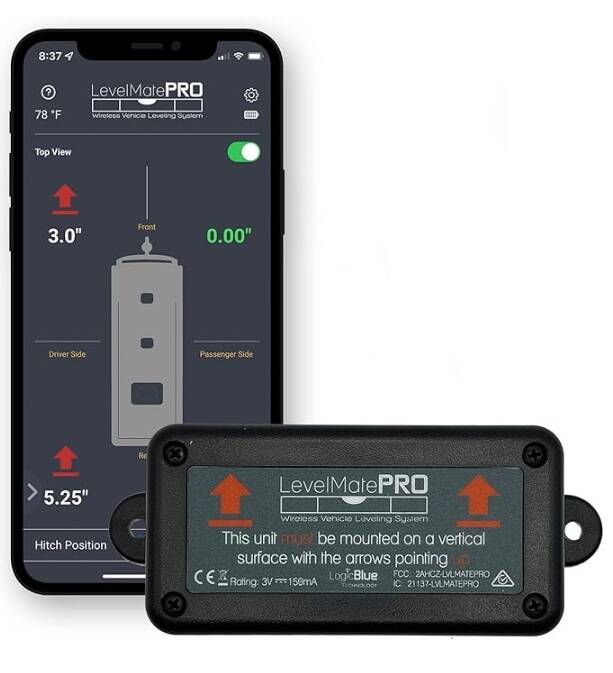
LogicBlue Technology LevelMatePRO Wireless RV Leveling System, Bluetooth Leveler for Campers, Must-Have Accessory for Travel Trailers, Effortless Setup for Phones with App

MORFY Dehumidifier, 80 OZ Small Dehumidifier for RV, Closet, Dual-Semiconductor Quiet Dehumidifiers with Drain Hose, 7 Colors LED Auto Shut Off
GLACIER FRESH
RV Water Filtration System, 0.2 Micron Camper Water Filter with Compact 5 Inch Filter, 3-Stage Premium RV Water Filtration System for RVs

Motion Activated RV Step Lights, 10 LED USB Rechargeable RV Motion Sensor Led Light Strip, Wireless Magnetic Camper Step Lights Bar for Motorhome Travel,Travel Trailers, Camper
For More Great Upgrades and Essentials - Visit The Essential Store
Budget Planning Tool!
Reading about RV budgets is one thing—actually building one that works for your lifestyle is something else entirely. That’s where most RVers get stuck. They understand the categories, they know costs add up, but translating all of that information into a clear, usable plan often feels overwhelming.
This budget planner was created to remove that friction. Instead of guessing or tracking expenses after the fact, this tool allows you to map out your entire RV year in one place—fuel, camping, maintenance, and upgrades—so you can see how each decision impacts the bigger picture.
There’s no “right” number here and no pressure to be perfect. The goal is clarity. When your budget is visible and intentional, decisions become easier, surprises feel manageable, and your RV season unfolds with far less stress. Take your time, adjust as needed, and use this planner as a living roadmap—not a rigid rulebook—for the year ahead.
Annual RV Budget Planner
Enter your estimated yearly RV costs below. Totals update automatically as you plan.
RV Payment / Loan
Insurance & Registration
Fuel
Camping & Memberships
Maintenance & Repairs
Upgrades & Gear
Internet & Connectivity
Propane
Food & Groceries (Travel)
Activities & Attractions
Storage & Miscellaneous
Total Annual RV Cost
Monthly RV Savings Goal
This is the amount you should plan to save each month to comfortably cover your annual RV expenses.
How RV Shows Fit Into Smarter Buying Decisions

RV shows are exciting—and that’s exactly why they can be dangerous without a plan.
Rows of shiny rigs, new technology, and “show-only” deals create an environment designed to encourage fast decisions. For many RVers, shows become impulse-buying events instead of research opportunities, leading to purchases that don’t fully align with their travel style, budget, or long-term plans.
When RV shows are intentionally built into your annual planning process, their value increases dramatically. Instead of attending with curiosity alone, you arrive with clarity—knowing what problems you’re trying to solve, what upgrades you’re considering, and what questions need answers. This turns RV shows into learning experiences rather than pressure-filled sales environments.
January is prime RV show season, which makes it the perfect time to decide which shows are worth attending and why. When shows are part of a bigger plan, they become one of the smartest tools an RVer can use—not a costly distraction.
RV shows can be incredibly valuable—or incredibly expensive mistakes.
The difference comes down to planning.
January and early-year RV shows are perfect for:
-
Comparing equipment side-by-side
-
Seeing new technology and layouts
-
Learning about upgrades before buying
-
Talking to manufacturers and vendors directly
But RV shows should be used for research first, not impulse purchases.
Planning RV shows into your year allows you to:
-
Attend with a list of needs
-
Compare prices online afterward
-
Avoid emotional buying decisions
-
Match purchases to your budget and upgrade plan
Using an RV Show Map to plan which events fit your travel and budget helps turn shows into strategy—not temptation.
Tools & Planners That Simplify RV Planning

Planning an RV year doesn’t fail because people lack motivation—it fails because the process feels scattered. Notes live in different places. Ideas are remembered too late. Budgets are half-tracked. And important details fall through the cracks simply because there’s no single system holding everything together.
The right planning tools don’t add complexity—they remove it.
Whether digital or paper-based, effective RV planning tools create clarity. They turn abstract ideas into visible plans and replace mental juggling with organized decision-making. Instead of constantly asking, “Did we think about that?” you start trusting the system you’ve built.
January is the perfect time to set up these tools because habits form before the season starts. When planners, checklists, and trackers are in place early, they support you all year long—making RV life feel lighter, calmer, and far more enjoyable.
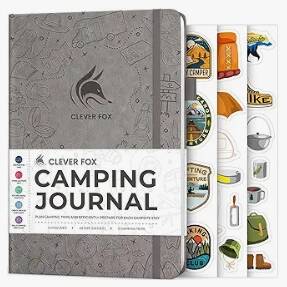
Clever Fox Camping Journal – Camper Log Book & RV Trip Planner – Outdoor Camp Journal & Adventure Travel Notebook for 12 Trips

The RVers Bible: Explore the Great Outdoors Coast to Coast • A Definitive Guide to Scenic Campgrounds and Accomodations Across the United States.
What's a Plan without a Checklist!
Get our FREE Packing Checklist - Here!
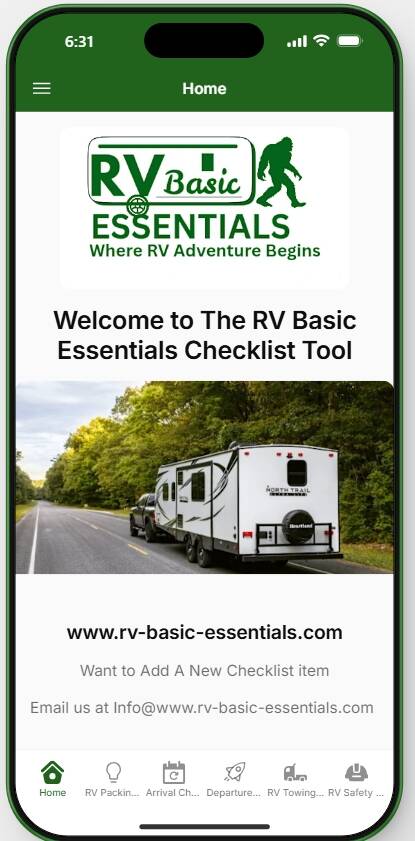
Take Your Planning a Step Further With Our Checklist App
Checklists are one of the simplest ways to reduce stress before a trip, but paper lists and screenshots only go so far. Our Checklist App was built to make RV trip planning easier, more organized, and far more reliable—especially when you’re juggling packing, setup, travel days, and departure tasks. With interactive, reusable checklists you can access anytime, the app helps ensure nothing gets missed, no matter how often your plans change. Whether you’re preparing for a weekend getaway or mapping out a longer RV season, having all your essential checklists in one place makes every trip feel smoother from the start.
Final Thoughts: Planning Once So You Can Actually Enjoy the RV Year Ahead

Every RV season has a moment where it reveals itself.
For some people, that moment comes when reservations are fully booked and options feel limited. For others, it shows up at the fuel pump, or during an unexpected repair, or when a long-planned trip suddenly feels more stressful than exciting. Those moments aren’t failures—they’re signals. Signals that RV life, while incredibly rewarding, works best when it’s guided by intention instead of reaction.
That’s what January planning really offers.
It’s not about creating a rigid schedule or predicting every detail of the year ahead. It’s about building a framework that supports freedom instead of undermining it. When trips are planned seasonally, you travel when conditions make sense. When budgets are built annually, expenses stop feeling like surprises. When RV shows are approached strategically, purchases become informed decisions instead of emotional ones. And when tools and upgrades are chosen intentionally, they serve your lifestyle instead of complicating it.
What often surprises RVers is how much lighter everything feels once the planning is done. The mental load drops. Decision fatigue fades. Instead of constantly asking, “Can we do this?”, the question becomes, “Which option fits our plan best?” That shift alone changes the entire RV experience.
January is uniquely powerful because it gives you space. Space to think clearly. Space to look at the full year instead of the next trip. Space to align your RV goals with your budget, your time, and your energy. Very few months offer that combination—and once the season starts, it’s much harder to find again.
The goal isn’t perfection. Plans will change. Weather will surprise you. Priorities may shift. But when you start the year with clarity, those changes feel manageable instead of disruptive. You adjust instead of scramble. You choose instead of react.
If there’s one takeaway from this entire guide, it’s this: the best RV seasons aren’t the ones with the most miles or the most destinations—they’re the ones that feel balanced, intentional, and sustainable. And that kind of season almost always starts with thoughtful planning.
So take advantage of this moment. Use January to map out a year that fits your version of RV life. Build the plan once—then spend the rest of the year enjoying it.
That’s where RV freedom truly lives.
Follow us on Social Media!
Planning doesn’t stop when the trip begins. Follow us on social media for real-world RV tips, planning tools, seasonal reminders, budget strategies, and upgrades that actually make RV life easier. If you want fewer surprises and more confidence on the road, you’ll feel right at home with our RV community.
Add comment
Comments