


RV moisture is the silent destroyer of comfort, air quality, and long-term RV value. Whether you’re a weekend camper, snowbird, or full-time traveler, understanding how moisture forms—and how to control it—can save you thousands in repairs and protect your health.
Every year, thousands of RV owners battle fogged windows, damp bedding, mildew smells, warped cabinets, rusted components, and even hidden mold growth—all caused by excess moisture. The worst part? Most RVers don’t even realize damage is happening until it’s too late.
This guide will walk you through:
-
✅ What causes moisture in RVs
-
✅ How to prevent condensation and mold
-
✅ The best moisture-control strategies for every climate
-
✅ The smartest tools and products to use
-
✅ Daily habits that eliminate moisture at the source
Let’s take full control of moisture in your RV—once and for all.
Disclaimer: Some of the links on this blog are affiliate links, meaning, at no additional cost to you, we may earn a commission if you click through and make a purchase. We only recommend products or services we believe will add value to our readers. Thank you for supporting our site.
1. Why Moisture Is One of the Biggest RV Killers (And Why Most Owners Underestimate It)

Moisture is one of the most damaging and underestimated threats to any RV, yet it’s one of the least talked about maintenance issues among owners. Unlike a roof leak or engine failure—which demand immediate attention—moisture damage works quietly and relentlessly behind the scenes. It builds slowly inside wall cavities, under flooring, around windows, beneath mattresses, and inside cabinetry without giving obvious warning signs. By the time musty odors appear or visible mold shows up, moisture has often already compromised insulation, weakened structural components, affected wiring, and created an unhealthy indoor environment.
What makes RV moisture even more dangerous than residential moisture is the way RVs are built. Thin walls, metal framing, compact airflow pathways, and temperature extremes create the perfect storm for condensation and trapped humidity. No matter how new your RV is or how well you think it’s sealed, moisture is constantly being introduced through daily living—and without intentional control, that moisture has nowhere to escape.
Unchecked moisture leads to:
-
Mold and mildew growth
-
Wood rot and delamination
-
Electrical corrosion
-
Insulation failure
-
Persistent musty odors
-
Health issues from poor air quality
Once RV owners truly understand how destructive moisture can be, they often realize it’s not just a comfort issue—it’s a long-term ownership issue. The cost of ignoring moisture doesn’t show up immediately, which is why so many rigs quietly deteriorate over time. The good news is that moisture damage is one of the most preventable problems you’ll ever deal with as an RV owner. With the right awareness and the right daily habits, you can eliminate the biggest hidden threat to your RV before it ever takes hold.
2. The Main Causes of RV Moisture & Condensation

Many RVers mistakenly believe that moisture problems only happen when there’s a roof leak or failing seal—but the reality is far more surprising. The majority of moisture inside an RV is actually created by the people living inside it.
Top Moisture Sources in RVs:
-
Showers & sinks
-
Cooking & boiling water
-
Propane heating systems
-
Wet clothing & towels
-
Breathing & body heat
-
Poor ventilation
-
Cold exterior walls
-
Humid outdoor climates
-
Leaks around seals, seams & windows
Why Condensation Happens:
Warm air holds more moisture. When that warm, moist air touches cold surfaces like windows or aluminum framing—it instantly turns into liquid water. This is why RV windows “sweat” in cold weather.
Every breath you take, every shower you run, every meal you cook, and every propane heater you turn on releases water vapor into your small living space. In a house, this moisture often escapes naturally through wall cavities and attic spaces—but in an RV, it becomes trapped.
Condensation happens when that warm, moisture-filled air meets cold surfaces like windows, slide walls, exterior corners, and aluminum framing. The result is dripping windows, soaked sill plates, wet bedding, and hidden water collecting inside wall systems. This process happens silently, often overnight, especially in cooler climates and during winter camping.
3. Health & Structural Risks of Poor Moisture Control

Moisture isn’t just an inconvenience—it can directly impact both your physical health and the structural integrity of your RV. When humidity remains elevated inside an enclosed space for extended periods, it creates a thriving environment for mold spores, bacteria, and airborne contaminants. Because RVs recycle air much more tightly than traditional homes, those airborne particles can concentrate rapidly and circulate throughout your living space.
At the same time, excess moisture slowly weakens the very materials that hold your RV together. Wood rot begins in hidden areas where moisture sits unnoticed. Metal slowly corrodes behind panels. Electrical systems can suffer from oxidation. Insulation loses its thermal resistance when it remains damp. What begins as simple condensation can eventually snowball into a full structural failure.
Health Risks Include:
-
Allergies & chronic coughing
-
Asthma flare-ups
-
Fatigue & headaches
-
Sinus infections
-
Eye & skin irritation
Structural Damage Includes:
-
Subfloor rot
-
Delamination of walls
-
Warped cabinetry
-
Rusted metal framing
-
Electrical corrosion
-
Soft roof decking
Moisture damage doesn’t announce itself loudly—it creeps in silently and spreads steadily. Once mold or rot establishes itself in an RV, repairs often require full tear-outs of walls, floors, or cabinetry. Not only does this threaten your investment, but it can also compromise your ability to safely and comfortably live or travel in your rig. Preventing moisture isn’t just about convenience—it’s about protecting your health, your wallet, and your freedom on the road.
4. Ideal RV Humidity Levels & How to Monitor Them

You can’t truly control moisture in your RV if you don’t know what your humidity levels are in real time. Most RV owners rely on feel—foggy windows, damp air, or musty odors—to tell them something is wrong. But by the time those signs appear, moisture has often already been present for days or even weeks. Monitoring humidity gives you the ability to catch problems before they turn into damage.
Humidity is not a guessing game—it’s a measurable number that tells you exactly what’s happening inside your RV. When you begin tracking it consistently, you’ll quickly see how rapidly levels change after cooking, showering, sleeping, or heating—and that awareness is what gives you control.
✅ Ideal RV Humidity Range:
-
30%–50% is perfect
-
Above 60% = mold risk
-
Below 30% = overly dry air (can crack wood & irritate lungs)
Essential Tool:
Strategic Product Suggestion:
HT1 Smart Temperature Sensor and Humidity Sensor - Bluetooth Thermometer and Hygrometer with App Monitoring
24/7 MONITORING AND REPORTING: Once connected, SensorPush constantly records temperature, humidity, dew point, and VPD.

A simple humidity monitor is one of the most powerful moisture-control tools you can own. It serves as an early warning system, a seasonal planning tool, and a long-term damage prevention device—all in one. Once you start watching your humidity levels daily, moisture control becomes intentional instead of accidental.
5. The Best RV Ventilation Strategies (Your First Line of Defense)

Ventilation is one of the most effective—and most neglected—forms of RV moisture control. Many RV owners instinctively seal everything up at the first sign of cold, rain, or snow, unintentionally trapping steam and humidity inside. While it may feel counterproductive to open vents in cold weather, the reality is that controlled airflow is essential for preventing condensation from forming on cold surfaces.
Ventilation works by removing moisture-laden air and replacing it with drier, outside air. This exchange prevents trapped humidity from settling into walls, ceilings, and structural framing. Without airflow, even the best dehumidifier struggles to keep moisture fully under control.
Top Ventilation Best Practices:
-
Always vent while cooking
-
Always vent while showering
-
Crack opposing windows for cross-flow
-
Use bathroom skylights properly
-
Open vents daily—even in winter
-
Use oscillating fans for circulation
Strategic Product Suggestions:
-
RV roof vent covers
-
High-flow vent fans
-
Low-power circulation fans
-
Bathroom powered exhaust fans
Air movement is the unsung hero of RV moisture control. It works silently, consistently, and naturally to reduce humidity without electricity or maintenance. When ventilation becomes part of your daily routine, condensation stops being a problem and starts becoming a rarity.
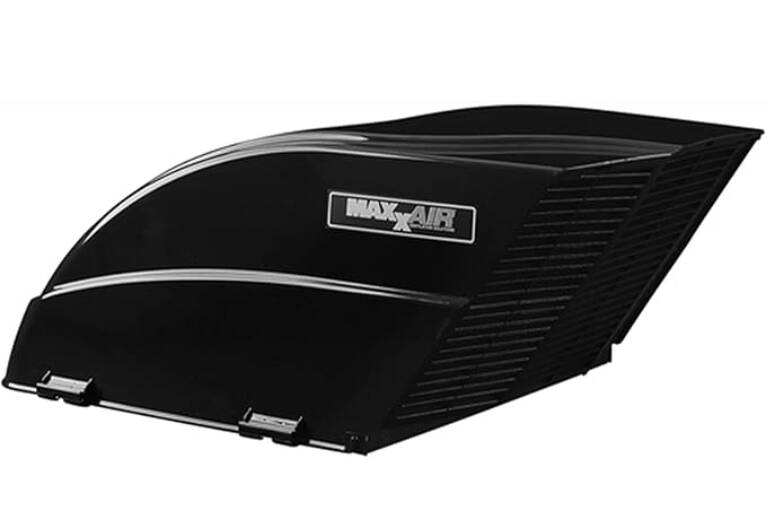
MAXXAIR FANMATE 00-955002 Fan/Vent Cover with EZ Clip Hardware
The Maxxair Fanmate Fan/Vent Cover provides exceptional rain cover for high-powered fans and non-powered vents. Its design ensures superior rain protection while maintaining less than 5% air flow restriction, keeping your RV interior dry and ventilated.
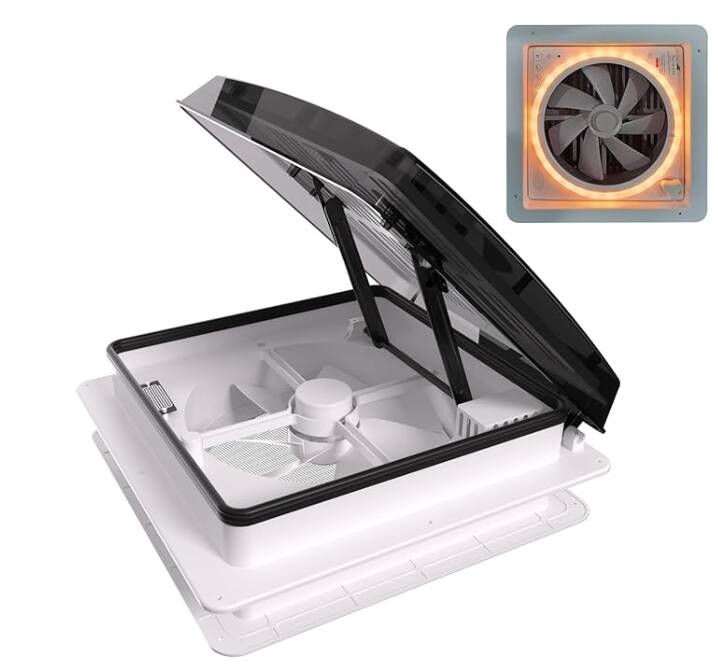
RV Roof Vent Fan with LED Light, Air Max Reversible Exhaust Vent, Ultra Low Noise 12V - 24V Ceiling Fan with Remote
Ultra-Quiet 12V RV Ceiling Fan & Energy Saver -- *Featuring a brushless motor with 5x longer lifespan than brushed motors, this RV exhaust fan operates at ≤25dB (quieter than a whisper). The high-efficiency design, preserving your RV/camper battery while delivering powerful ventilation - perfect for bedroom or bathroom use.*
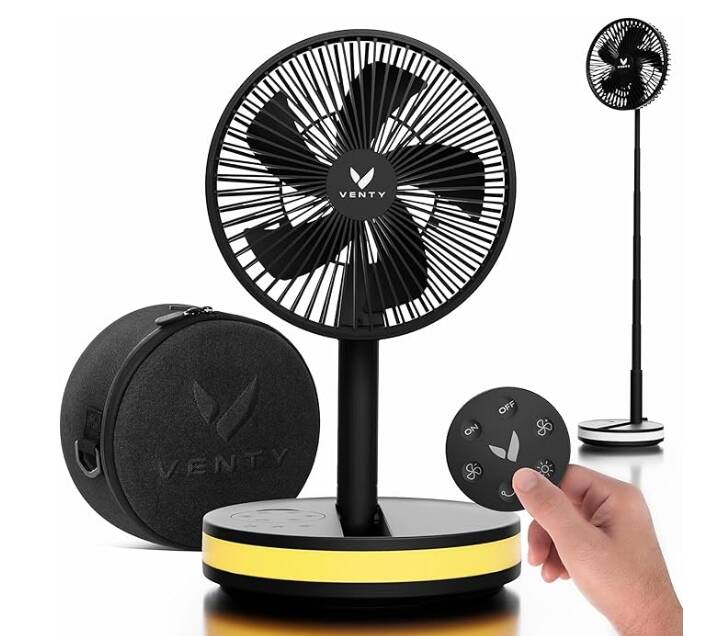
VENTY Portable Fan - Wireless Battery Operated Fan - 4 Speeds - LED Lighting - Carry Case & Remote Control
Venty Fan rechargeable fan is foldable, durable, extendable & sleek. It Oscillates 120°, rotates 180°, and only weighs 2.6lbs!
Find More Great RV Products at our Essential Store! - Here!

6. Dehumidifiers: The MVP of RV Moisture Control

If ventilation is your first defense, a dehumidifier is your offensive weapon. It physically pulls water from the air—often extracting pints of water per day inside an RV. In humid regions, a dehumidifier isn’t optional—it’s essential.
Dehumidifiers are often misunderstood as luxury accessories when, in reality, they are essential protective equipment for RV living—especially in humid climates and during winter camping. While ventilation moves moisture out, dehumidifiers physically extract it from the air.
For full-timers and seasonal campers alike, dehumidifiers offer consistent, predictable moisture control regardless of outside temperatures or weather conditions.
Types of RV Dehumidifiers:
-
✅ Compressor (best for warm, humid climates)
-
✅ Desiccant (best for winter & cold climates)
-
✅ Rechargeable moisture absorbers (small spaces)
Best Placement Areas:
-
Bedroom
-
Bathroom
-
Kitchen
-
Storage bays
-
Under the bed
-
Inside closets
Strategic Product Suggestions:
-
Portable RV dehumidifiers
-
Desiccant moisture packs
-
Closet & cabinet damp-absorbers
Once RV owners see how much water their dehumidifier pulls from the air every day, the importance of moisture control becomes undeniable. Every tank emptied is proof of damage prevented. It’s one of the simplest tools with the biggest return on investment in RV protection.
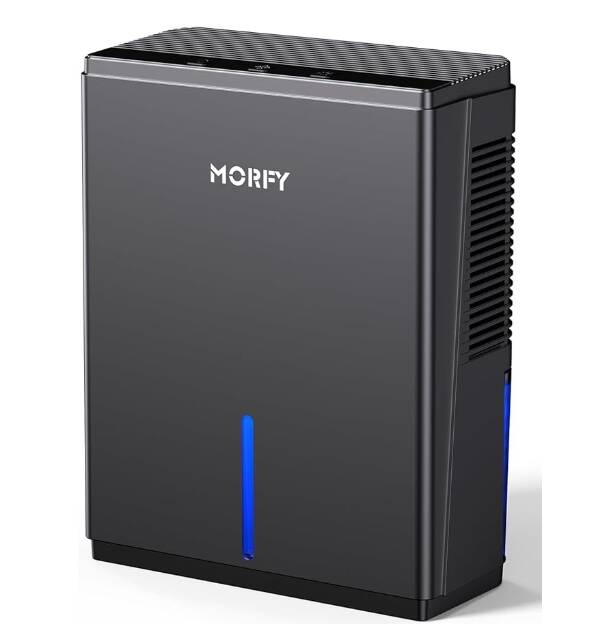
MORFY Dehumidifier, 80 OZ Small Dehumidifier for Bedroom, Bathroom, RV, Closet
MORFY dehumidifiers for room home adopts semiconductor condensation technology ,Maximum dehumidification area Up to 600 sq. ft dehumidifier removes 27oz(800ml) day (86°F, 80% RH) depending on moisture condition
7. How RV Heating Impacts Moisture (And What to Do About It)

Heating your RV is non-negotiable for comfort, safety, and cold-weather travel—but it plays a much larger role in moisture buildup than many RV owners realize. While heat makes the interior feel dry and comfortable, it often masks rising humidity levels that quietly accumulate during heating cycles. Without intentional moisture management, heating systems can significantly increase condensation, especially in colder climates and during overnight use.
One of the biggest challenges comes from the way RVs are constructed. Thin walls, metal framing, and compact interior spaces mean temperature differences between the inside and outside of the RV are extreme during cold weather. When warm, moisture-filled air inside the RV meets cold exterior walls, windows, and structural framing, condensation forms almost immediately. Heating intensifies this effect by increasing the amount of warm air capable of holding moisture—without necessarily removing that moisture from the space.
Many RVers unknowingly worsen moisture problems by sealing their RV tightly while heating, assuming that keeping cold air out will solve condensation. In reality, this traps humidity inside, allowing moisture levels to rise until water begins forming on cold surfaces.
Moisture-Producing Heat Sources in RVs
Not all heat sources affect humidity equally. Understanding which systems actively add moisture helps you manage them more effectively.
Propane Furnaces
RV propane furnaces produce moisture as a natural byproduct of combustion. While most modern furnaces are vented to the exterior, moisture still enters the living space through airflow exchange, warm air circulation, and temperature differentials created during heating cycles. Extended furnace use—especially overnight—often correlates with increased condensation on windows and walls by morning.
Portable Catalytic Heaters
Catalytic and vent-free propane heaters release moisture directly into the RV interior. While they are efficient and popular for off-grid camping, they can dramatically increase humidity in a short period of time if ventilation is inadequate. These heaters require careful moisture management and consistent airflow to prevent condensation and air-quality issues.
Cooking Appliances
Cooking is one of the most underestimated moisture sources in cold weather. Boiling water, simmering meals, and using propane stoves release large amounts of water vapor into the air—often during times when RVers are least likely to ventilate due to cold temperatures outside. This combination makes kitchens a major moisture hotspot during winter travel.
Best Countermeasures for Heating-Related Moisture
Staying warm doesn’t mean you have to live with condensation. These countermeasures allow you to maintain comfort while keeping humidity under control.
Run Ventilation While Heating
Ventilation is critical whenever heating systems are in use—especially propane-based heaters. Cracking a roof vent or window slightly creates a path for moisture-laden air to escape without significantly impacting interior temperatures. Even minimal ventilation dramatically reduces condensation risk by allowing continuous air exchange.
Use Dehumidifiers During Winter
Dehumidifiers are especially valuable during heating season when windows remain closed and airflow is limited. Running a dehumidifier overnight can prevent morning condensation and remove moisture introduced by heating, cooking, and breathing. Desiccant-style dehumidifiers perform particularly well in cold conditions where compressor models may struggle.
Install Vent Covers for Snow and Rain Protection
Vent covers allow you to safely ventilate during winter weather without worrying about snow, rain, or cold drafts entering the RV. With vent covers installed, roof vents can remain partially open around the clock, providing consistent moisture release even during storms or freezing temperatures.
Balance Electric Heat With Ventilation
Electric heaters do not add moisture to the air, making them an excellent supplemental heat source for moisture control. However, electric heat alone does not remove existing humidity. Pairing electric heaters with proper ventilation and dehumidification creates a balanced heating strategy that maintains warmth while preventing moisture buildup.
Why Heating Strategy Is a Core Part of RV Moisture Control
Heating and moisture control cannot be treated as separate systems. Warm air without moisture management leads directly to condensation, mold growth, and material damage. When heating is paired with ventilation, humidity monitoring, and dehumidification, it becomes part of the solution rather than part of the problem.
RV owners who understand this relationship experience fewer cold-weather moisture issues, better indoor air quality, and a more comfortable living environment—no matter the season. With the right approach, you can stay warm, dry, and protected without sacrificing comfort or efficiency.
Heating and moisture control must work together. Warm air alone does not eliminate condensation—in fact, without airflow and humidity management, it often makes the problem worse. Once balanced correctly, your heating system becomes part of your moisture solution instead of part of the problem.
8. Preventing Moisture Under Mattresses, Beds & Cushions

Few moisture problems catch RV owners off guard more than discovering mold beneath their mattress. Warm body heat rises through bedding while cold bed platforms hold moisture below—creating a perfect sealed environment for mold growth. Because it happens out of sight, this problem can develop for months without detection.
This hidden moisture issue affects thousands of RVs every year, especially during cool, damp seasons.
Preventing Moisture Under Mattresses & Bed Platforms: One of the Most Overlooked RV Mold Risks
Moisture buildup under mattresses is one of the most common—and most surprising—problems RV owners encounter. Because it happens completely out of sight, mold and mildew can develop for months without detection. The combination of warm body heat rising through bedding and a cold, non-breathable bed platform below creates a sealed environment where moisture becomes trapped with nowhere to escape.
This issue is especially common during cool or damp seasons, in humid climates, and in RVs with solid bed platforms or storage compartments beneath the mattress. Preventing moisture in this area requires intentional airflow and regular inspection, not just surface-level humidity control.
Lift Mattresses Weekly to Release Trapped Moisture
Lifting your mattress on a regular basis allows trapped moisture to escape and gives you an opportunity to inspect the bed platform for early signs of dampness or mold. Even if your RV feels dry overall, moisture can accumulate underneath the mattress due to temperature differences between your body heat and the colder platform below.
This habit is particularly important during winter camping or extended stays. Simply propping the mattress upright for a short time—during cleaning, packing, or while running ventilation—can dramatically reduce long-term moisture buildup.
Use Breathable Moisture Barrier Pads
Traditional waterproof mattress protectors are designed to block liquid spills, but many of them also trap moisture underneath the mattress. Breathable moisture barrier pads, on the other hand, allow airflow while still preventing condensation from soaking into the mattress or platform.
These pads create a buffer zone that helps moisture dissipate instead of collecting. They’re especially useful in RV bunks, beds with solid plywood bases, and sleeping areas located against exterior walls where temperature differences are greatest.
Add Slatted Bed Bases for Natural Airflow
Solid bed platforms restrict airflow completely, making them one of the biggest contributors to under-mattress moisture problems. Installing a slatted bed base introduces natural ventilation by allowing air to circulate beneath the mattress continuously.
Even partial slatting can significantly reduce condensation risk by preventing moisture from becoming trapped. Slatted systems also help regulate mattress temperature, improving comfort while extending mattress lifespan.
Use Air Circulation Mats Designed for RVs
Air circulation mats are specifically engineered to create a raised, breathable layer between the mattress and the bed platform. Their open structure allows moisture to move freely and evaporate instead of pooling beneath the mattress.
These mats are especially effective for RV owners who don’t want to modify bed platforms or install slats. They’re lightweight, easy to cut to size, and work well in both full-size beds and bunk areas.
Why Mattress Moisture Prevention Matters More Than You Think
Mold under a mattress isn’t just unpleasant—it can affect sleep quality, indoor air quality, and overall health. Because the bed area is where you spend a significant portion of your time, moisture problems here can have an outsized impact on comfort and well-being.
Preventing under-mattress moisture is one of the most effective—and often most affordable—steps you can take toward long-term RV moisture control. With consistent inspection and improved airflow, this hidden problem becomes entirely manageable.
Strategic Product Suggestions:

Mattress moisture prevention is one of the most overlooked yet easiest fixes in the entire RV moisture control system. With proper airflow and moisture barriers, you eliminate one of the most common hidden mold zones in any RV sleeping area.
9. Cabinet, Closet & Storage Moisture Control

Cabinets and closets are often the darkest, coldest, and least ventilated areas of any RV—making them prime locations for trapped moisture and mildew growth. Clothing, food storage, and soft goods all absorb moisture naturally, which can lead to odors, mold spores, and material degradation without visible warning.
These enclosed spaces often experience higher humidity than the main living area, even when the rest of the RV feels dry.
Smart Storage Moisture Strategies: Protecting Cabinets, Closets & Hidden Spaces
Storage areas are some of the most moisture-prone spaces in any RV. Cabinets, closets, drawers, and under-bed compartments are often cold, dark, and completely sealed off from airflow—making them ideal environments for trapped humidity, mildew, and musty odors. Even when the main living space of an RV feels dry and comfortable, these enclosed areas can quietly maintain much higher humidity levels.
Because moisture problems in storage areas often remain hidden, they tend to cause damage long before RV owners realize anything is wrong. Clothing absorbs moisture from the air, wood swells and warps, metal hardware corrodes, and mold spores can spread unnoticed. The key to preventing these issues is consistent airflow and passive moisture control, even in spaces that aren’t opened daily.
Keep Cabinet Doors Cracked to Encourage Airflow
Completely sealed cabinets trap humid air, especially along exterior walls where temperatures fluctuate. Leaving cabinet doors slightly cracked—particularly in kitchens, bathrooms, and exterior-wall storage—allows air to circulate and prevents moisture pockets from forming.
This practice is especially important during cold weather, rainy conditions, or long stays in humid environments. Even a small gap makes a significant difference by allowing warm, dry air to reach areas that would otherwise remain stagnant.
Add Moisture Absorber Packs in Enclosed Spaces
Moisture absorber packs act as silent, passive moisture control in areas where airflow is limited or inconsistent. These packs gradually pull excess humidity from the air, preventing condensation and mold growth in cabinets, closets, pantries, and under-bed storage.
They are particularly effective in spaces where electrical dehumidifiers or fans aren’t practical. For best results, place them:
-
In clothing closets
-
Inside kitchen and bathroom cabinets
-
Under beds and sofas
-
In exterior storage bays
Checking and replacing or recharging these packs regularly ensures they remain effective and don’t become moisture sources themselves once saturated.
Install Battery-Powered Vent Fans in Large Closets
Large closets and pantry-style storage areas often trap air completely, especially in rigs with slide-outs or rear wardrobes. In these spaces, passive solutions alone may not be enough. Small, battery-powered vent fans help gently circulate air without requiring wiring or constant power.
These fans don’t need to run continuously—periodic airflow is often enough to prevent moisture from settling. By keeping air moving, you dramatically reduce the conditions that allow mold and mildew to develop on fabrics, walls, and shelving.
Rotate Stored Fabrics Seasonally
Soft goods like clothing, bedding, towels, and blankets naturally absorb moisture over time—even in relatively dry environments. When these items remain untouched for months, they can trap humidity and develop odors or mildew without visible signs.
Seasonal rotation helps expose fabrics to airflow and light, allowing any absorbed moisture to dissipate. Swapping out clothing, re-folding linens, and briefly airing out stored fabrics significantly reduces long-term moisture retention and keeps storage areas fresh.
Why Storage Moisture Control Is Non-Negotiable
Storage spaces often act as the “canary in the coal mine” for RV moisture problems. Musty smells in closets or cabinets are often the first sign that humidity is too high somewhere in the rig. Ignoring these areas allows moisture issues to spread into walls, flooring, and insulation before they’re ever noticed.
By combining airflow, passive moisture absorption, and seasonal rotation, you create a layered moisture-control system that works even when the RV isn’t actively being used. These strategies protect not just your belongings—but the structure of your RV itself.
Strategic Product Suggestions:
DampRid Lavender Vanilla Hanging Moisture Absorber, 16 oz., 3 Pack - Eliminates Musty Odors for Fresher, Cleaner Air, Ideal Moisture Absorbers
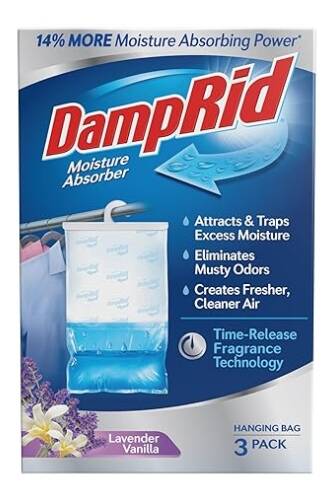
Passive moisture control in storage areas is essential for protecting everything from clothing to cookware to pantry items. When moisture is managed where air doesn’t naturally circulate, your entire RV environment benefits.
10. Daily Habits That Keep Your RV Dry Without Extra Equipment

Not every moisture-control solution requires equipment or electricity. In fact, many of the most powerful defenses against humidity come from consistent daily habits. Small behaviors repeated daily have a massive impact on long-term moisture buildup.
These habits take seconds to complete but prevent months—and sometimes years—of moisture-related damage.
Best Daily Moisture Habits: Small Actions That Prevent Big RV Problems
Daily habits are the quiet workhorses of RV moisture control. While dehumidifiers, ventilation systems, and insulation upgrades play an important role, the truth is that most moisture problems are created—and solved—through everyday behavior. These habits require no special equipment, cost nothing, and take only minutes to complete, yet they dramatically reduce condensation, mold risk, and lingering humidity inside your RV.
When practiced consistently, these small actions prevent moisture from ever settling into walls, flooring, mattresses, and cabinetry—where damage becomes difficult and expensive to reverse.
Squeegee Shower Walls After Every Use
Every hot shower fills your RV with steam that immediately condenses on cooler surfaces. When water droplets are left clinging to shower walls, doors, and fixtures, they continue to evaporate moisture into the air long after the shower is over. In an RV’s confined space, that extra moisture can linger for hours.
Using a small squeegee to remove water from shower walls takes less than a minute but removes a surprising amount of moisture at the source. It also helps prevent soap scum buildup and mildew growth in grout and seals, reducing both humidity and cleaning time.
Crack Windows Morning & Night
Even in cooler weather, briefly cracking windows in the morning and evening allows stale, moisture-laden air to escape and fresh air to circulate. Overnight, moisture from breathing, body heat, and heating systems builds up inside the RV. Morning ventilation releases that trapped humidity before it condenses on windows, walls, and furniture.
In the evening, a short ventilation window helps remove moisture accumulated throughout the day from cooking, showers, and general activity. You don’t need windows wide open—just enough airflow to create air exchange.
Hang Towels and Damp Fabrics Near Airflow
Wet towels, washcloths, and clothing are major hidden moisture contributors. When they’re draped over hooks or folded in bathrooms or bedrooms with poor airflow, they slowly release moisture into the air for hours.
Instead, hang towels near open windows, roof vents, fans, or directly in front of airflow from an exhaust fan or AC vent. Faster drying means less moisture released into the RV—and fewer odors and mildew problems over time.
Wipe Condensation Immediately
Condensation is not just a sign of moisture—it’s active moisture damage in progress. Water collecting on windows, frames, walls, or metal surfaces will seep into seals, wood, and insulation if left alone. Once moisture penetrates these materials, drying becomes much more difficult.
Keeping a microfiber cloth handy and wiping condensation as soon as you see it prevents water from soaking into surrounding materials. This simple habit protects window frames, wall seams, and cabinetry from long-term damage.
Vent While Cooking—Every Time
Cooking is one of the largest sources of moisture inside an RV. Boiling water, simmering sauces, and even using the oven release large amounts of steam directly into the air. Without ventilation, that steam quickly spreads throughout the RV and condenses on cooler surfaces.
Always run the range hood fan and crack a window or roof vent while cooking—especially when boiling water or cooking for extended periods. This prevents moisture from spreading beyond the kitchen and reduces overall humidity spikes.
Dry Wet Gear Outside Whenever Possible
Outdoor gear—rain jackets, shoes, boots, swimwear, towels, and pet items—can introduce significant moisture into your RV. Drying these items inside traps moisture in an already limited air space.
Whenever weather allows, dry wet gear outside using campground hooks, ladders, or portable drying racks. If items must be dried indoors, place them directly under active ventilation or near a dehumidifier to minimize humidity buildup.
Why These Daily Habits Matter
These habits may seem small on their own, but together they form a powerful moisture-control system that works continuously in the background. By removing moisture at the source, encouraging airflow, and preventing condensation from settling, you dramatically reduce the conditions that allow mold and mildew to thrive.
The key is consistency. Moisture control isn’t about doing everything perfectly—it’s about doing the basics every day. When these habits become routine, your RV stays drier, healthier, and far easier to maintain over time.
Moisture control becomes effortless when prevention is built into your routine. These simple habits quietly protect every surface, system, and structure inside your RV without adding another device to manage.
11. Seasonal RV Moisture Control (Winter, Spring, Summer & Storage)

Moisture challenges change with the seasons. What works during hot, humid summer camping won’t fully protect you during freezing winter condensation or long-term off-season storage. Each season introduces different temperature swings, airflow patterns, and humidity risks that require slight adjustments to your moisture strategy.
Building a seasonal moisture plan ensures protection no matter where your travels—or storage timelines—take you.
Winter RV Moisture Control: Managing Condensation in Cold Weather
Winter is the most challenging season for RV moisture control because it creates the largest temperature gap between the warm air inside your RV and the cold exterior surfaces outside. That temperature difference is exactly what causes condensation. During winter camping or cold-weather travel, moisture problems tend to show up overnight—fogged windows in the morning, damp bedding, wet window frames, and moisture collecting in corners and cabinets.
Maximize Dehumidification
Cold weather traps moisture inside your RV, making a dehumidifier one of the most critical tools you can run during winter. Even if the air feels dry, humidity can still be elevated enough to cause condensation on cold surfaces. In winter, dehumidifiers should be run consistently, especially overnight when condensation is most likely to occur. Desiccant-style dehumidifiers perform particularly well in colder temperatures where compressor models may be less efficient.
Vent While Heating
It may feel counterintuitive to ventilate when it’s cold outside, but heating without ventilation is one of the fastest ways to create condensation. Propane furnaces and heaters release moisture into the air, and without ventilation, that moisture has nowhere to go. Cracking a roof vent or window slightly—especially while cooking or showering—allows moisture-laden air to escape before it condenses on windows and walls.
Use Window Insulation
Windows are one of the coldest surfaces in an RV, making them prime condensation points during winter. Thermal window insulation, reflective panels, or insulated curtains help reduce the temperature difference between indoor air and glass surfaces. By keeping windows warmer, you significantly reduce the likelihood of condensation forming and dripping into window frames where moisture damage often begins.
Spring RV Moisture Control: Resetting After Winter Exposure
Spring is a critical transition season for RV moisture management. After months of winter condensation, stored moisture, and limited ventilation, spring is the time to uncover hidden problems before they worsen. This is also when many RVers begin traveling again, making it the ideal moment for inspection and cleanup.
Inspect Seals for Leaks
Freeze-thaw cycles during winter can stress RV seals, caulking, and roof seams. Even small cracks or separations can allow moisture intrusion during spring rains. A thorough inspection of roof seals, window frames, slide seals, and exterior seams helps prevent water from entering the RV during wetter spring conditions.
Remove Hidden Moisture Packs
Desiccant packs and moisture absorbers placed in cabinets, closets, and storage areas during winter should be removed, replaced, or recharged in spring. Saturated moisture packs no longer absorb humidity and can actually become sources of moisture themselves if left too long.
Deep Clean Vents
Over winter, vents can accumulate dust, debris, and even mold spores. Deep cleaning roof vents, bathroom exhaust fans, and range hood filters ensures proper airflow as temperatures rise. Clean vents improve ventilation efficiency and help prevent lingering moisture from winter months from becoming an ongoing issue.
Summer RV Moisture Control: Managing Humidity in Warm Climates
Summer moisture challenges are less about condensation and more about ambient humidity. Hot, humid air contains a significant amount of moisture, which can quickly build up inside an RV if not properly managed—especially in coastal areas, the Southeast, or during rainy summer travel.
Run AC With Dehumidifier Mode
Most RV air conditioners naturally remove some moisture from the air, but running units in dehumidifier or “dry” mode (when available) increases moisture removal without excessive cooling. This is particularly helpful during rainy days when windows stay closed but humidity remains high.
Cross-Vent During Cooler Evenings
During early mornings or cooler evenings, opening windows on opposite sides of the RV allows fresh air to flush out humid indoor air. This natural airflow reduces moisture buildup and improves indoor air quality without relying entirely on mechanical systems.
Manage Wet Gear Proactively
Summer camping often means wet swimsuits, towels, rain gear, and outdoor equipment. Allowing these items to dry inside the RV introduces significant moisture. Whenever possible, dry gear outdoors or near active ventilation to prevent humidity spikes inside your living space.
RV Moisture Control During Storage: Protecting Your RV While It Sits
Long-term RV storage presents a unique moisture challenge because airflow is minimal and humidity can fluctuate dramatically depending on location and season. Moisture damage during storage is especially dangerous because it often goes unnoticed for weeks or months.
Desiccant in Every Zone
During storage, place moisture absorbers in every enclosed space—bathroom, kitchen, closets, cabinets, under beds, and storage bays. These passive systems continuously absorb moisture even when the RV is closed up.
Vent Covers Installed
Vent covers allow roof vents to remain partially open during storage without allowing rain or snow inside. This small amount of airflow dramatically reduces trapped humidity and helps prevent stale, damp air from settling throughout the RV.
Interior Doors Propped Open
Propping open interior doors, cabinets, and drawers allows air to circulate freely and prevents moisture pockets from forming in dead-air spaces. This simple step significantly reduces the risk of mold and mildew developing while the RV is unattended.
Why Seasonal Moisture Control Matters
Moisture control isn’t static—it changes with the seasons, weather conditions, and how you use your RV. Adjusting your moisture strategy throughout the year ensures your RV remains protected no matter where it’s parked or how it’s being used. When seasonal moisture control becomes part of your routine maintenance plan, you dramatically extend the life of your RV and eliminate one of the most common causes of long-term damage.
When moisture control becomes part of your seasonal RV planning, you stop reacting to damage and start preventing it entirely. Year-round protection keeps your RV healthier, longer-lasting, and more enjoyable in every climate you camp in.
Final Thoughts: Why RV Moisture Control Is One of the Smartest Investments You’ll Ever Make
Moisture control is one of the most overlooked aspects of RV ownership, yet it has a direct impact on nearly every part of your rig and your overall RV lifestyle. It doesn’t show off like solar upgrades, suspension mods, or fancy electronics—but it quietly determines how comfortable, healthy, and durable your RV will be over time. In many ways, moisture control is the foundation that allows everything else in your RV to function as intended.
The reality is that every RV produces moisture every single day. It doesn’t matter whether you camp on weekends, travel seasonally, or live full-time on the road. Cooking meals, taking showers, breathing, running propane appliances, and heating your RV all release water vapor into a small, enclosed space. When that moisture isn’t intentionally managed, it doesn’t disappear—it settles into the structure of your RV, where it slowly causes damage you often can’t see until it’s already advanced.
What makes moisture especially dangerous in RVs is how quickly it can compound. Condensation today becomes damp insulation tomorrow. Damp insulation turns into mold growth next month. Mold growth leads to air-quality problems, odors, material breakdown, and eventually expensive repairs that could have been avoided entirely. Many RV owners only learn how serious moisture damage can be after facing delamination, soft floors, black mold under mattresses, or rotted cabinetry.
Moisture control isn’t about reacting to problems—it’s about building a system. When ventilation, humidity monitoring, dehumidification, heating strategy, and daily habits all work together, moisture never gets the opportunity to cause damage in the first place. That’s the difference between constantly chasing condensation issues and simply living comfortably in your RV without thinking about moisture at all.
Another critical piece of moisture control that often gets overlooked is health. Poor indoor air quality caused by excess humidity, mold spores, and mildew doesn’t just smell unpleasant—it can affect sleep quality, energy levels, allergies, sinus health, and respiratory comfort. RVs are compact living spaces, and the air you breathe inside them matters. A dry, well-ventilated RV doesn’t just feel better—it is better for your long-term well-being.
There’s also a financial reality to consider. RVs are significant investments, and moisture damage is one of the fastest ways to reduce their value. Preventing moisture costs very little compared to repairing rot, replacing flooring, removing mold, or fixing delaminated walls. In fact, some of the most effective moisture-control solutions—like ventilation habits, humidity awareness, and passive moisture absorbers—cost almost nothing at all.
The most important takeaway is this: moisture control is not a one-time fix. It’s an ongoing process that changes with seasons, climates, and how you use your RV. Winter camping introduces condensation challenges that summer camping doesn’t. Humid coastal environments require different strategies than dry desert camping. Long-term storage demands a different approach than active travel. The good news is that once you understand the principles, adapting becomes second nature.
If you take only one thing away from this guide, let it be this—a dry RV is a healthy RV. Moisture control protects your comfort, your investment, and your ability to enjoy RV life without constant maintenance headaches. It allows you to focus on travel, experiences, and adventure instead of repairs and frustration.
Whether you’re just getting started with RV ownership or you’ve been traveling for years, now is the perfect time to make moisture control a priority. A few small changes today can prevent years of damage down the road—and ensure that your RV remains a clean, comfortable, and reliable home wherever your travels take you.
Add comment
Comments