


Let’s be honest—times are tough. With inflation driving up prices on everything from groceries to gas, and with many families reassessing their travel plans and finances, the dream of hitting the open road might seem further out of reach than ever. But don’t give up just yet. RVing on a budget is not only possible—it can be deeply rewarding. Whether you’re looking to take your first cross-country adventure or downsize into a simpler lifestyle, there are countless ways to save money, travel smart, and still enjoy all the freedom the RV lifestyle has to offer.
In this extensive guide, we'll explore everything you need to know about RVing on a budget—from choosing the right RV and outfitting it affordably, to cutting costs on the road and maximizing value from every mile. Plus, we’ll link to budget-friendly gear and resources, that make RVing even more accessible.
Buying an RV Without Blowing Your Budget
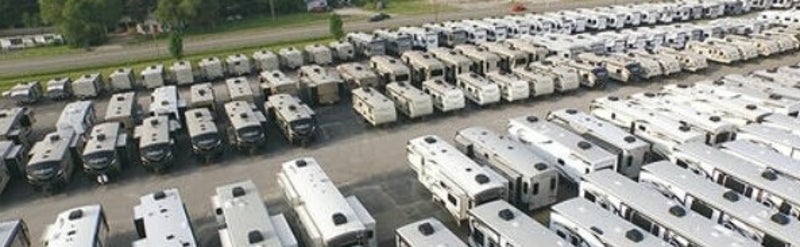
Start With Your Goals & Lifestyle
Before browsing listings, take a step back. Think about how you plan to use your RV. Will you be full-timing? Weekending? Exploring off-grid or sticking to RV parks? Your needs should shape the type of RV you buy.
New vs. Used: Weighing the Pros and Cons
Used RVs often cost 30% to 50% less than new ones and frequently include upgrades like solar panels, upgraded mattresses, and towing packages. However, inspect thoroughly or pay for a professional pre-purchase inspection.
New RVs offer peace of mind with warranties and the latest features, but they depreciate rapidly—often by 20% or more in the first year.
Budget Tip: Buy used, preferably from a private party. Check Facebook Marketplace, Craigslist, RVTrader, and your local classifieds. Do your due diligence though, make sure a complete and thorough inspection is completed.
Consider Size & Fuel Economy
Travel Trailers & Pop-Up Campers: Less expensive and towed by vehicles you may already own.
Class B Vans & Truck Campers: Great for solo travelers and couples, and very fuel-efficient.
Class C RVs: Offer good living space at a lower cost than Class A motorhomes.
Where to Look for Affordable RVs:
RVTrader.com
Facebook Marketplace (search within 100-200 miles)
Local RV dealers with used inventory
Government auctions or estate sales
Financing Wisely
If you need to finance your RV purchase, it pays to do your homework—literally.
Start by checking your credit score. A higher score typically means better loan terms, so take time to pay off small debts or dispute errors on your credit report beforehand. Next, explore multiple lenders: don't just take the first offer from an RV dealer. Compare rates from banks, credit unions, online lenders, and RV-specific financiers like Good Sam Finance Center or LightStream.
Aim to keep your loan term as short as you can reasonably afford. While stretching your loan over 15 or 20 years might seem attractive with lower monthly payments, you'll end up paying significantly more in interest over time. A 5- to 10-year loan strikes a better balance between affordability and total cost.
Budget Tip: Look for pre-owned RVs that are under 10 years old, as many lenders offer better rates and terms for newer rigs.
Also: Consider getting pre-approved before you shop. Not only does this clarify your budget, but it strengthens your position when negotiating price.
Lastly, don’t forget to factor in additional costs like taxes, registration, and insurance into your loan calculations. These can add up fast and affect your true monthly payment.
Equipping Your RV Affordably
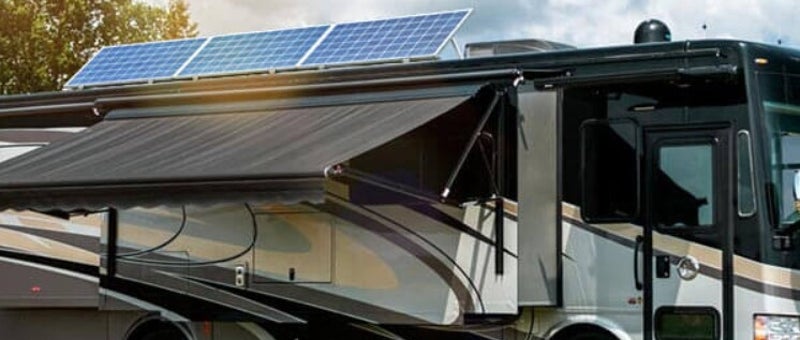
Start With the Essentials Only
When you first step into the world of RVing, it’s easy to get overwhelmed by the sheer volume of gear, gadgets, and gizmos marketed to RV owners. From high-tech satellite dishes to decorative outdoor rugs, it seems like there's an accessory for every possible situation. But when you're RVing on a budget, it's crucial to focus on what you truly need rather than what looks cool or convenient.
Spending wisely in the beginning not only saves you money but also keeps your RV clutter-free and easier to manage.
Remember: every item you bring must be stored, maintained, and carried. Start lean, and build your setup as you gain experience and understand what really enhances your travels versus what simply takes up space. It can be tempting to buy every RV gadget you see, but many are non-essentials. Focus on the gear that will keep you safe, sanitary, and comfortable.
Top Budget Essentials:
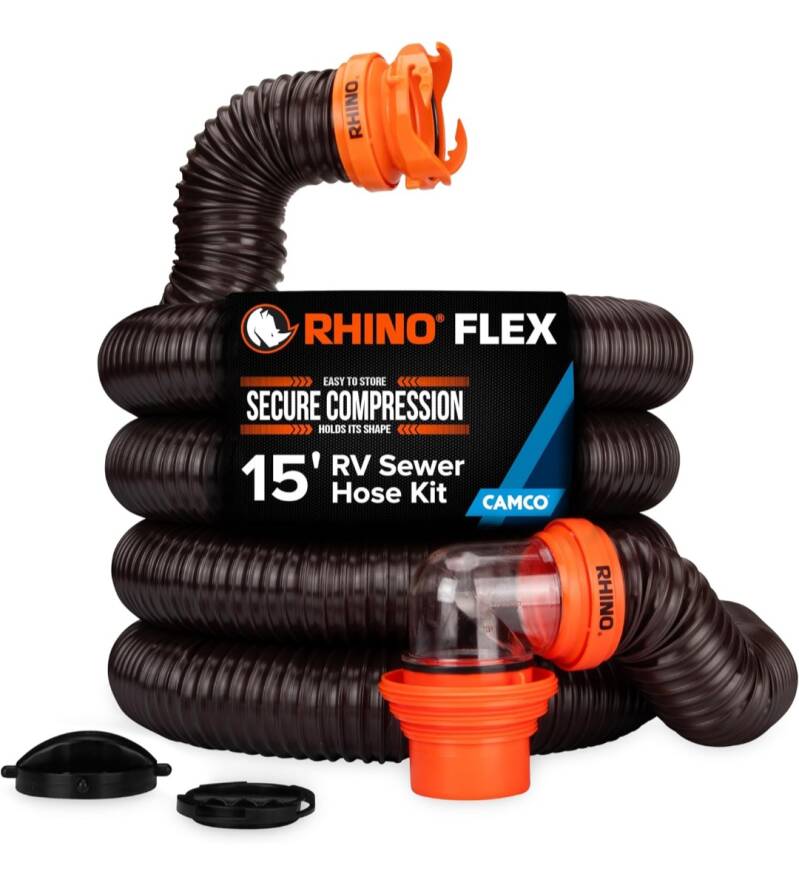
Sewer Hose Kit: Camco RhinoFLEX - Durable, compact, and highly rated.
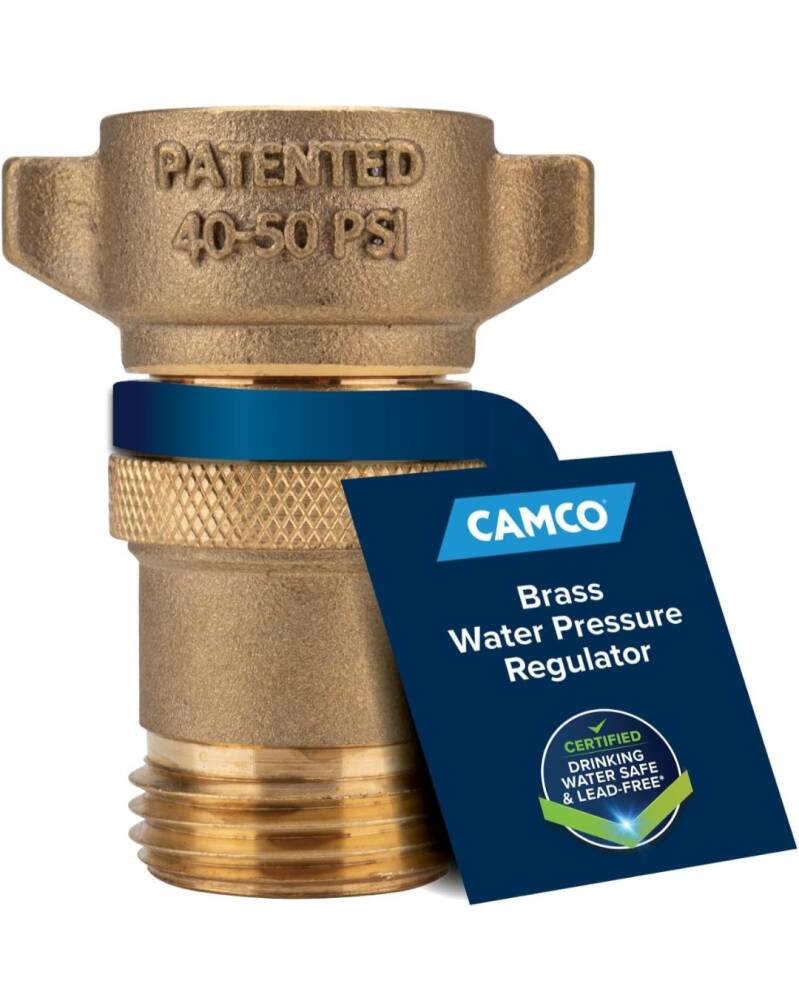
Water Pressure Regulator: Camco Brass Regulator with Gauge - Prevents damage to your plumbing system.
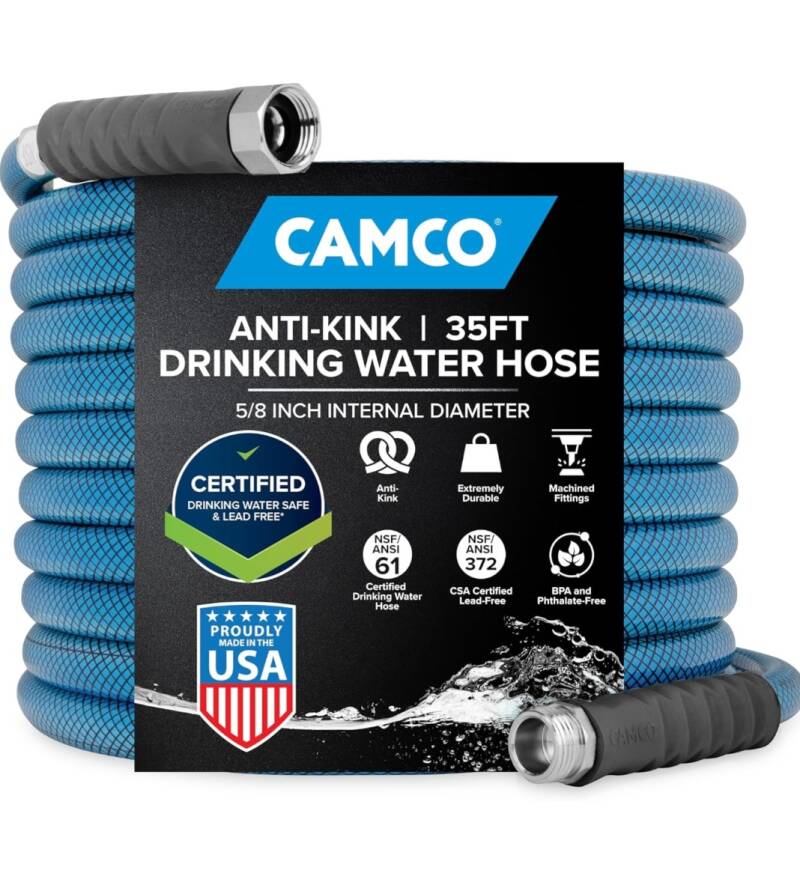
Drinking Water Hose: Camco Premium Drinking Water Hose - Lead-free, kink-resistant.
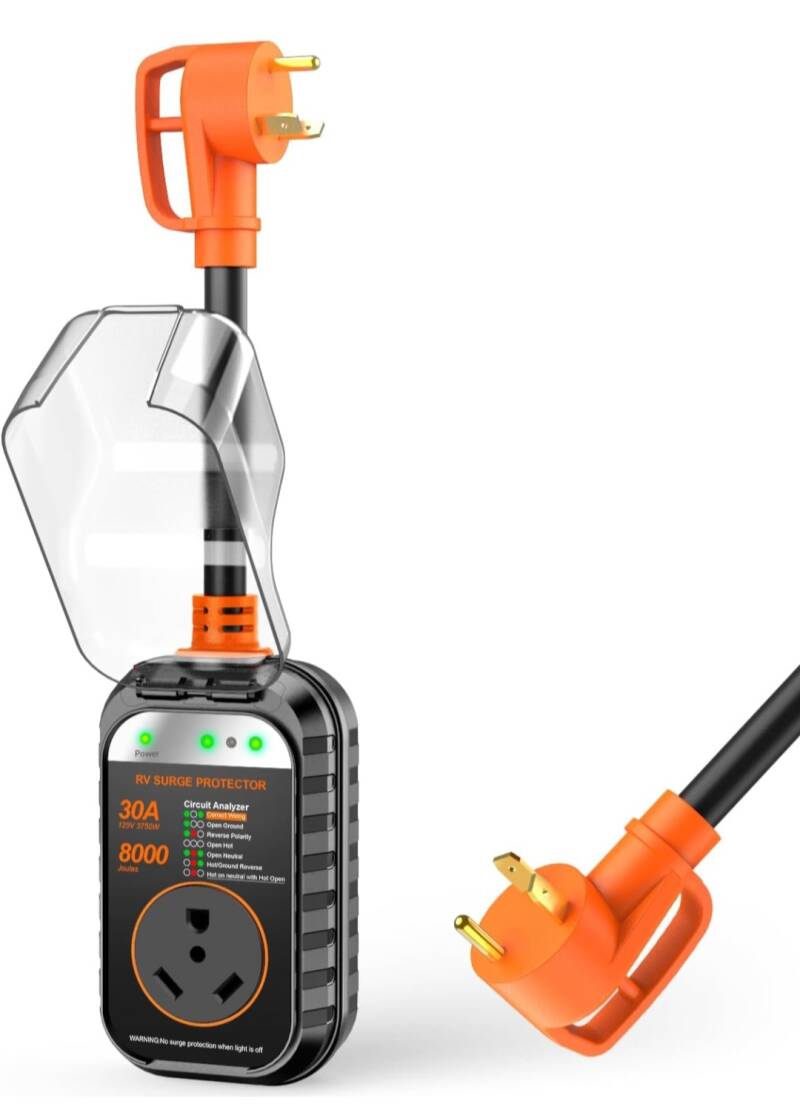
Surge Protector:GEARGO RV Surge Protectors 30 Amp RV Circuit Analyzer- Prevents electrical damage.
Find all the Starter Basics in The Essential Store
Kitchen & Cooking on a Budget
Save on Food Without Sacrificing Quality
Food costs can sneak up fast when you're traveling, especially if you're eating out frequently or shopping at overpriced convenience stores.
🍽️ Meal Planning is Everything
Before your trip, plan out several meals and shop ahead of time. This helps you:
- Avoid impulse purchases
- Skip expensive campground stores
- Reduce food waste
🍲 Cook More, Spend Less
Cooking in your RV is one of the biggest advantages you have.
Batch cooking meals like:
- Chili
- Pasta
- Stir fry
- Tacos
can save both time and money.
🔌 Use Efficient Cooking Tools
CAROTE 11pcs Pots and Pans Set, Nonstick Cookware Detachable/Removable Handle, Induction RV Kitchen Set — Space-saving and lightweight.

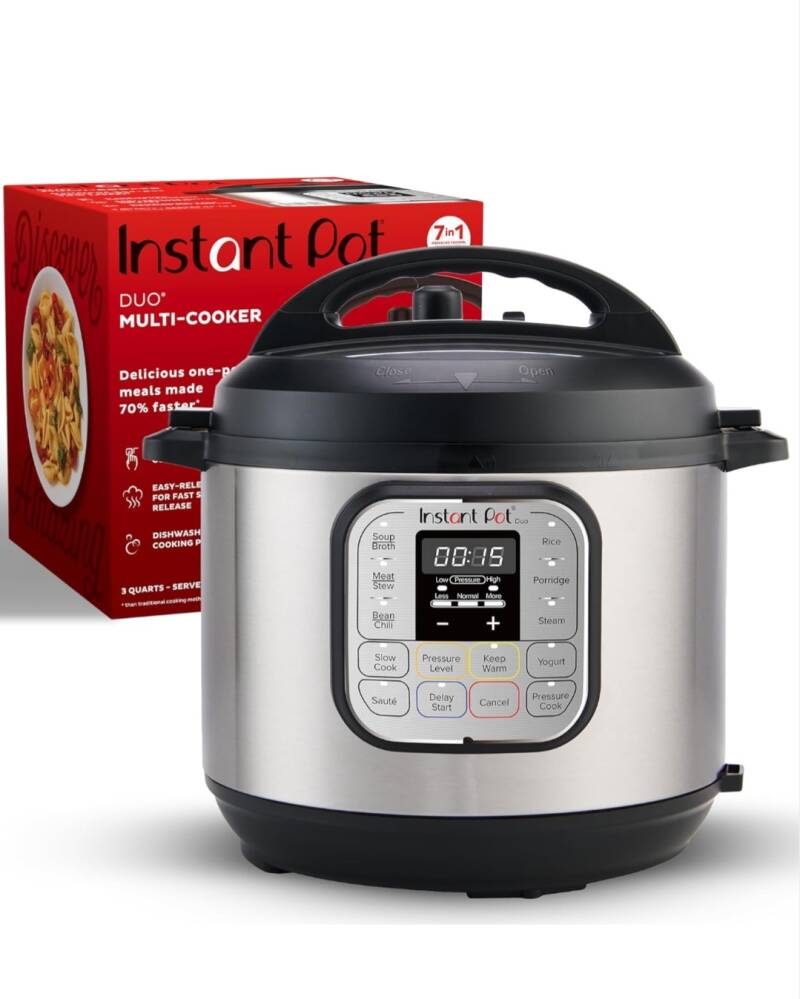
Instant Pot Duo 6 Qt — One appliance, endless meals.
Pro Tip: Check dollar stores, thrift shops, or outlet stores for pots, utensils, and dishware.
Comfort & Living
You don’t have to sacrifice comfort to stay within budget—in fact, a few smart, low-cost upgrades can dramatically improve your day-to-day RV experience without adding much to your overall spend. The key is focusing on high-impact items that make a real difference in how you sleep, relax, and live inside your rig.
Start with sleep. RV mattresses are notoriously thin and uncomfortable, but instead of replacing the entire mattress, a quality topper can completely transform it for a fraction of the cost. Good sleep on the road isn’t a luxury—it’s essential for enjoying your travels.
Next, think about airflow and temperature control. Small, energy-efficient fans can make a huge difference, especially when you’re trying to avoid running your AC or conserving power while boondocking. Pair that with reflective window covers or blackout curtains, and you can regulate temperature without increasing your energy usage.
Storage and organization also play a big role in comfort. When everything has a place, your RV feels bigger, less cluttered, and far more livable. Simple solutions like collapsible bins, over-the-door organizers, and stackable containers can maximize space without costing much.
Finally, focus on creating a space that feels like yours. A few small touches—like outdoor rugs, camp chairs, or even a simple lighting setup—can make your campsite feel like home without blowing your budget.
Bottom line: Comfort in an RV isn’t about spending more—it’s about choosing the right upgrades that give you the biggest return on your investment.
Mattress Insider - Shop Now (Big Discounts on top quality mattresses)
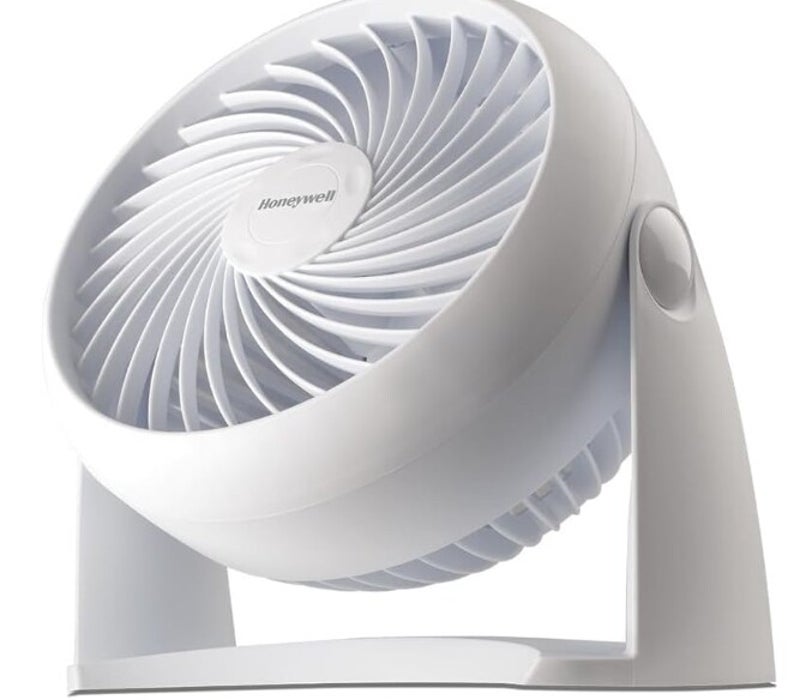
Honeywell TurboForce Fan — Powerful, compact, and energy-efficient.
VENTY Portable Fan - Wireless Battery Operated Fan - 4 Speeds - LED Lighting - Carry Case & Remote Control - Cruise Travel - Outdoor Travel RV Power Bank With USB-C Port (Black with Case)

Looking for Storage Solutions? Read this!
Travel Hacks: Saving While You Roam
Plan Your RV Trip Budget Before You Go
🚐 RV Trip Budget Calculator
Estimate your trip costs before you hit the road 💸
Total Trip Cost:
$0
Most RV trips don’t go over budget because of one big expense…
it’s the small ones that stack up.
Use this quick calculator to estimate your trip BEFORE you leave—and avoid surprises on the road.
Campground Alternatives That Save Big
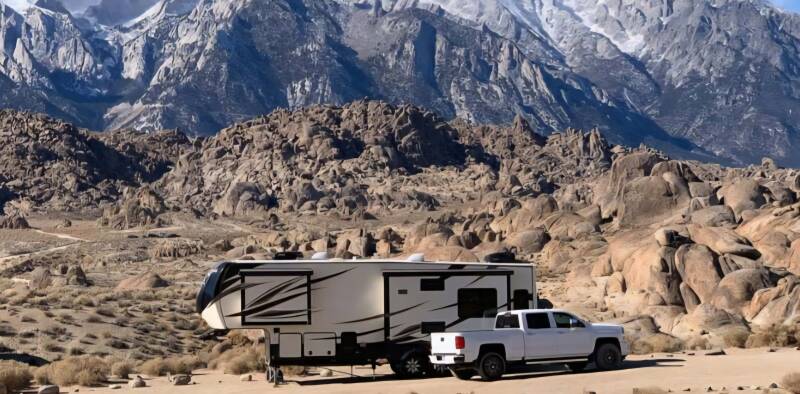
One of the fastest ways to blow your RV budget is paying nightly campground fees. But here’s the truth—you have far more options than just traditional RV parks.
🍷 Harvest Hosts
If you want unique experiences and savings, Harvest Hosts is one of the best tools available.
With a low annual membership, you get access to 4,000+ locations across the U.S., including wineries, breweries, farms, golf courses, and attractions. Instead of paying $40–$80 per night at a campground, you can stay for free—simply support the host by making a small purchase.
👉 Join here: Harvest Hosts
This is perfect for overnight stops while traveling and adds an experience you simply won’t get at a standard RV park.
🌲 Boondocking (Free Camping)
If your goal is maximum savings and incredible views, boondocking is the gold standard.
This means camping on public lands like:
- Bureau of Land Management (BLM) areas
- National Forest land
These locations are often:
✔ Completely free
✔ Less crowded
✔ Surrounded by nature
To find safe and reliable spots, use apps like:
- Campendium
- iOverlander
- FreeRoam
Pro Tip: Always check access roads, cell signal, and weather conditions before heading out.
Checkout our Blog on Boondocking HERE!
🏞️ State Parks & County Parks
If you still want hookups but at a lower price, state and county parks are a fantastic middle ground.
- Typical cost: $15–$30 per night
- Often quieter and more scenic than private RV parks
- Located near hiking trails, lakes, and natural attractions
Many experienced RVers prefer these over private parks—not just for the price, but for the overall experience.
Not all RV stays are created equal—and where you park can make or break your budget. Here’s a side-by-side comparison to help you choose the best option for your travel style and wallet:
| Category | RV Parks | Boondocking | Harvest Hosts |
|---|---|---|---|
| Average Cost | $30–$80/night | FREE | Annual fee (~$99) + small purchase |
| Hookups | Full (water, sewer, electric) | None | None (some exceptions) |
| Experience | Convenient, structured | Remote, scenic, quiet | Unique (wineries, farms, attractions) |
| Availability | Can require reservations | First-come, flexible | Reservation required |
| Best For | Comfort & full amenities | Saving money & off-grid travel | Overnight stays & unique experiences |
| Stay Length | Flexible (nightly, weekly, monthly) | Typically 14-day limits | 1 night (some allow 2) |
| Budget Rating | ❌ Expensive | ✅ Best Value | ✅ High Value |

Fuel Savings: Keep More Money in Your Tank
Fuel is one of the most unpredictable—and expensive—parts of RV travel. But with a few smart habits, you can significantly reduce what you spend.
⛽ Use Fuel Apps
Apps like:
- GasBuddy (Link must be opened on Mobile device)
help you locate the cheapest fuel nearby, often saving 20–50 cents per gallon.
Over the course of a long trip, that can easily add up to hundreds of dollars.
🛒 Membership Fuel Stations
Stores like Costco and Sam’s Club consistently offer lower fuel prices than standard stations.
If you travel frequently, a membership can pay for itself quickly just in fuel savings.
🚐 Drive Smarter, Not Faster
- Keep speeds moderate (fuel efficiency drops quickly above 65 mph)
- Use cruise control when possible
- Avoid rapid acceleration and hard braking
Big Tip: Stay longer in one place. Moving every day burns fuel—and your budget.
Stationary RVing vs. Traveling: Choosing Your Style and Budget
RVing isn’t one-size-fits-all, and how far and how often you travel has a big impact on your overall costs. Choosing a travel style that fits your budget can help you enjoy RV life without overspending.
Stationary RVing
If you're parked in one location for long periods—at a seasonal campground, mobile home park, or even a friend’s property—this is the most budget-friendly option.
- Site costs: $300–$700/month (often includes utilities)
- Fuel costs: Minimal
- Maintenance: Less wear and tear from travel
- Best for: Remote workers, retirees, or those testing full-time RV life
Local or Regional Travel
Traveling within your home state or region is a happy medium. You can explore new places without racking up thousands in fuel and repairs.
- Campground costs: $15–$40/night or discounted weekly/monthly rates
- Fuel costs: Moderate; $100–$300/month depending on rig and distance
- Best for: Weekend warriors, part-time travelers, and families
Nationwide Traveling
This is the dream many chase—but it comes with higher expenses.
- Campground costs: Can average $30–$80/night unless using discounts, boondocking, or Harvest Hosts
- Fuel costs: $500–$1,500/month depending on route and rig
- Maintenance: Higher due to increased mileage
- Best for: Bucket-list travelers, travel bloggers, adventurous retirees
Budget Tip: Combine travel styles throughout the year—stay put longer in off-seasons and take longer trips in spring or fall to balance your budget and your wanderlust.
Operating Your RV Affordably
DIY Maintenance
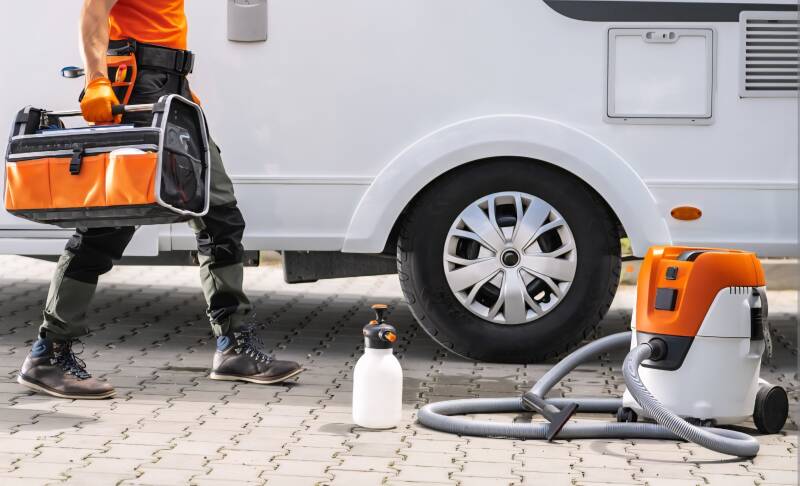
One of the best ways to stay within your RV budget—and gain confidence in your rig—is by learning to handle basic maintenance yourself. From checking seals and monitoring tire pressure to troubleshooting power issues and winterizing your system, there’s a lot you can do without paying a pro. Not only does this save you money, but it helps you understand how your RV works, which comes in handy when you’re far from help.
If you're not sure where to start or want a checklist of what to do and when, we’ve created a practical Maintenance Page full of beginner-friendly information, seasonal tasks, and product links. You can also check out our detailed RV Maintenance Guide to stay organized and on track all year long.
Learning as you go is part of the adventure—and you might be surprised at how capable you are with just a few basic tools and a bit of guidance. Learning basic RV maintenance saves thousands.
Routine Care
-
Check tire pressure before every drive.
-
Keep roof seams sealed to avoid costly water damage.
-
Change your oil regularly, especially for motorhomes.
Insurance Savings
-
Compare RV-specific insurers (Good Sam, National General, Progressive).
-
Ask about bundling and seasonal rates.
-
Raise your deductible to lower monthly premiums (but set aside emergency funds).
Stay Connected Cheaply
Skip campground Wi-Fi and expensive satellite packages. Instead:
-
Use your smartphone as a hotspot.
-
Boost weak signal with weBoost Drive Reach RV.
Complete RV Essentials Maintenance Guide

Keep your RV in top condition and avoid costly repairs with this easy-to-follow maintenance guide. Learn what to check before trips, monthly, and seasonally—covering roof seals, tires, batteries, plumbing, and more. Perfect for new and experienced RV owners who want a simple system to protect their investment and travel with confidence.
Living the Good Life Without Going Broke

Embrace Minimalism
RVing teaches you to live with less. Decluttering not only simplifies travel but saves money. Less stuff = less weight = better fuel efficiency.
Earn Money on the Road
-
Start a blog or YouTube channel.
-
Work remotely or take seasonal jobs (Amazon CamperForce, park hosting).
Find Community
-
Join RV groups on Facebook or Reddit for support, tips, and shared campsites.
-
Attend RV rallies for budget travel workshops and giveaways.
Final Thoughts

RVing on a budget isn’t about sacrifice—it’s about making smarter choices, prioritizing experiences, and redefining what “rich travel” really means. When you shift your mindset from convenience to strategy, you quickly realize that this lifestyle can be far more affordable—and far more rewarding—than traditional travel.
The joy of RVing doesn’t come from luxury resorts or high-end gear. It comes from waking up somewhere new, slowing down, and enjoying the journey at your own pace. It’s the quiet mornings, the campfire nights, and the freedom to go where you want—without being tied to expensive hotels or rigid schedules.
Budget RVing also builds confidence. The more you learn—how to maintain your rig, where to find affordable stays, how to plan smarter routes—the more control you have over your costs and your experience. Over time, those small decisions compound into significant savings, allowing you to travel longer, explore more places, and stress less about money.
And in today’s economy, that matters. Rising fuel costs, higher food prices, and increasing campground fees can make travel feel out of reach—but RVing gives you the flexibility to adapt. Stay longer in one place. Cook your own meals. Choose free or low-cost campsites. You’re not locked into one way of doing things—and that’s where the real value lies.
By focusing on what truly matters—freedom, simplicity, and meaningful experiences—you can create a lifestyle that feels both adventurous and sustainable. Whether you're just starting out or refining how you travel, the goal isn’t to spend less just for the sake of it—it’s to get more out of every dollar you spend.
The open road is still within reach. You just have to approach it with intention.
Need gear or campground savings?
- Shop The Essential Store: www.rv-basic-essentials.com/shop
- Join Harvest Hosts for unforgettable stays at wineries, farms, and more.
Safe travels and happy camping!
Add comment
Comments